Women and Spring as Symbols of Renaissance and Peace
I love the month of March for its longer days, for the scent of spring in the air despite the snow, and, of course, for my favourite women’s holiday, which we celebrated on March 8th. Celebrating International Women’s Day at the beginning of spring is very symbolic. At this time, nature awakens, is reborn, and comes to life. So does feminine nature, which creates, decorates, and protects our world, making it brighter and undeniably better.
Dedicated to the struggle for women’s rights and freedom, this holiday has become a comprehensive celebration of respect and love for women—who are a beautiful representative of humanity. Women play a fundamental role in history and modern times, combining strength, intelligence, creativity, and the ability to give life. This combination of softness, fragility, and incredible strength gives women many privileges. Women are excellent diplomats, capable of resolving any conflict. And who knows, perhaps it will be women who will save our world from endless wars and suffering, ensuring our children a happy and peaceful life.
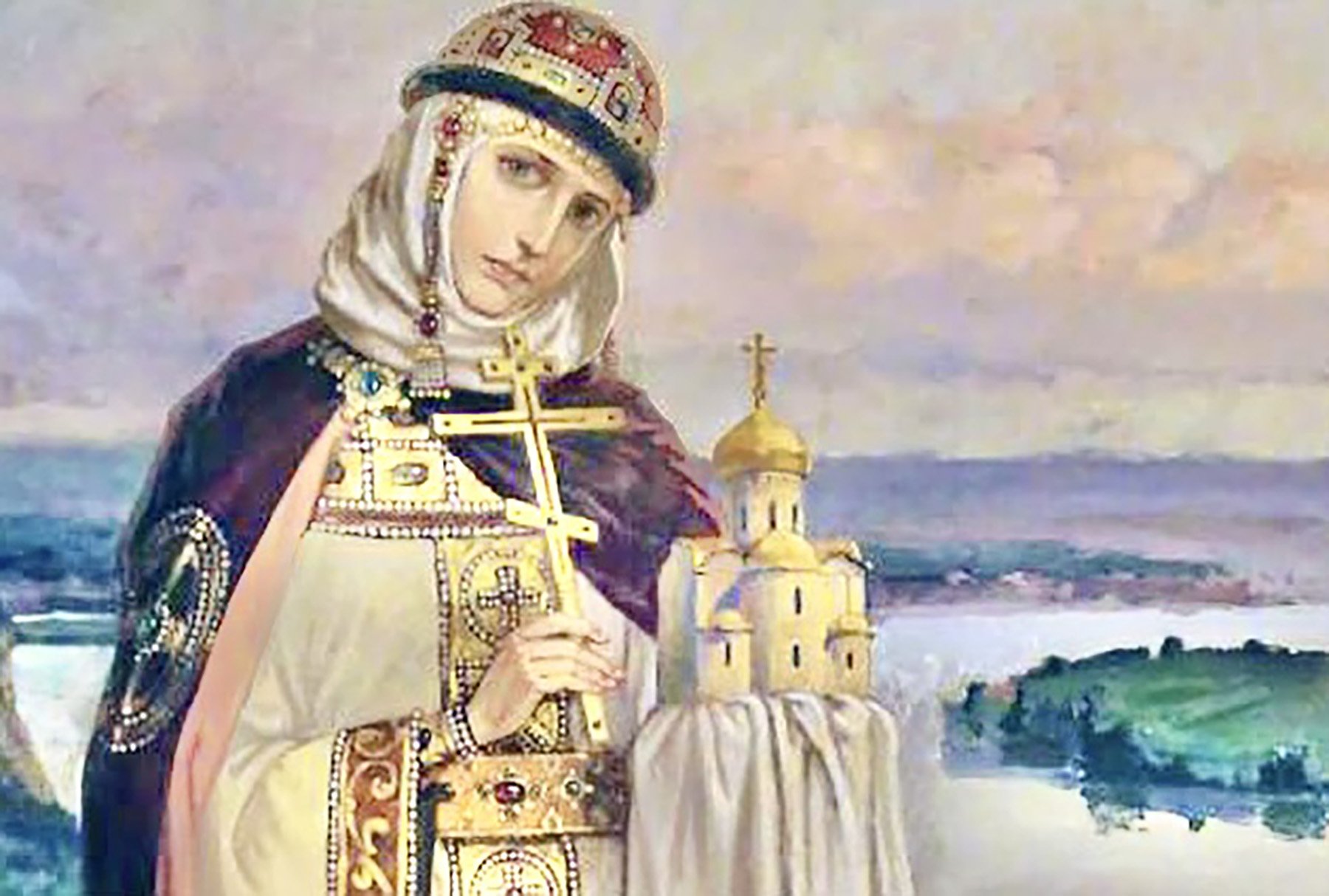
Princess Olga of Kiev was a remarkably outstanding woman in the history of Ukraine. She assumed control of the state after the death of her husband, Prince Igor Rurikovich, Prince of Kievan Rus, from 945 to 966. Olga was the first ruler to convert to Christianity. She also implemented many reforms, including the creation of trade and exchange centres, which simplified tax collection. She can safely be called the legislator of tax reform.
Before Olga’s reign, tax collection in the state was uncontrolled, which caused discontent among the people. To avoid rebellions and strengthen the state, Olga strictly defined the amount and timing of tax collection. Many legends are told about this woman, the most widespread of which tells of how she took revenge on the murderers of her husband, Igor, and was feared by her enemies after that. Seeing how easily the wooden fortresses, that she was driven out of burned, the princess decided to rebuild her houses of stone.
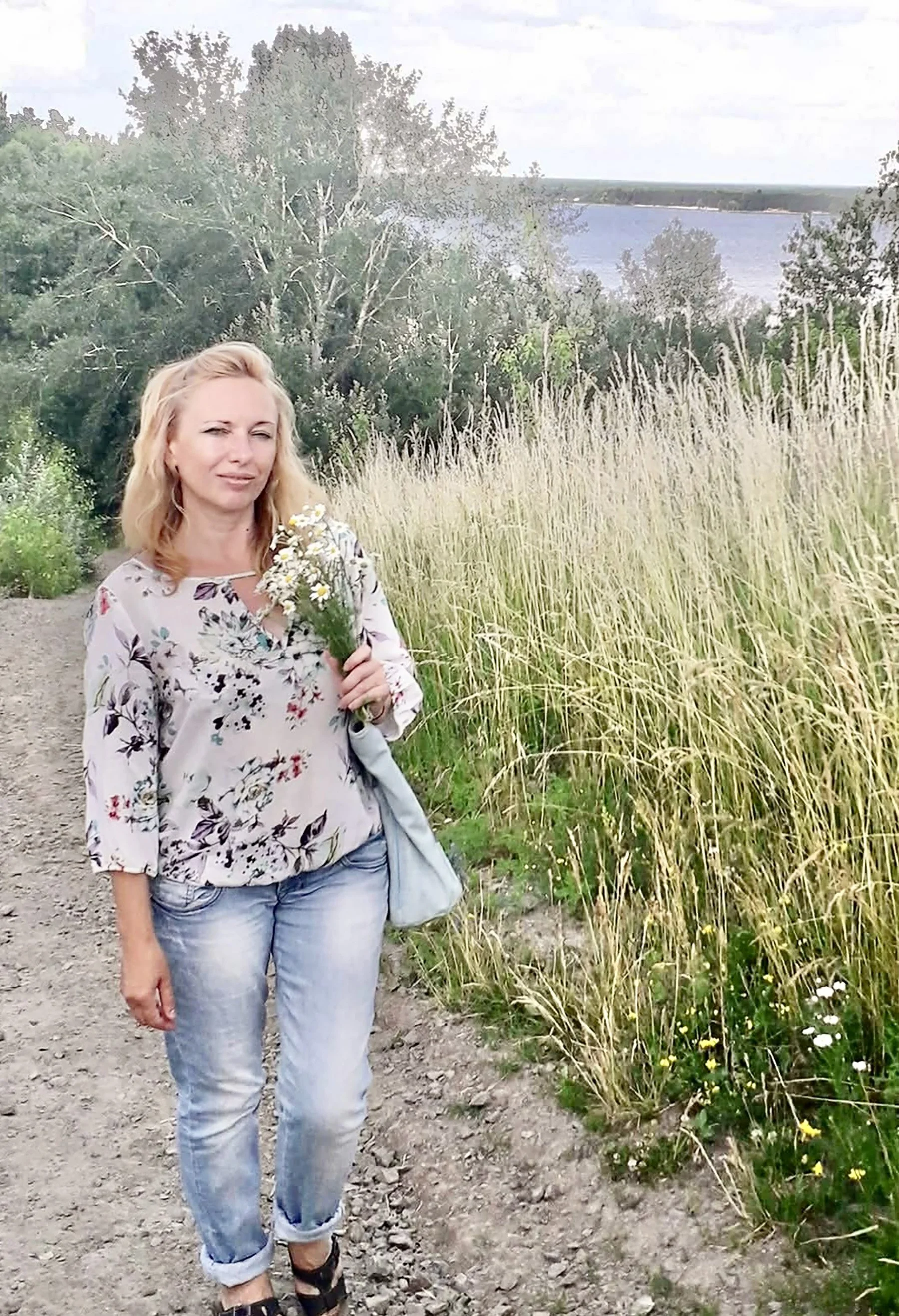
The first stone buildings were the city palace and the ruler’s country house. Thus, thanks to Olga, stone construction was born in the country. My home in the city of Vyshgorod is located on a mountain named after Princess Olga. The city itself, located a few kilometres from Kyiv, was the princess’s personal residence, centre of government, and favourite place to stay. In the book “The Tale of Bygone Years,” the city’s name is mentioned as Olga’s City.
The city functioned as a powerful administrative centre, where the princess spent much time and where she engaged in land management and defence. This fortified suburb of Kyiv was also a venue for receiving Byzantine ambassadors and holding important meetings. In Vyshgorod, Olga strengthened the state’s defences, and the city itself was closely associated with the early period of her reign, serving as her personal fortress.
Olga’s Mountain is located on the high bank of the Dnieper River, overlooking the Kyiv Reservoir. Also on the mountain is the old Church of Boris and Gleb and an observation deck with stunning views of Kyiv. According to some historians, Princess Olga gathered the entire creative elite of the time around Olga’s Mountain, including artists and potters. Vyshgorod still has a pottery museum, where you can see the work of contemporary masters and participate in clay modelling workshops.
I loved walking along Olga’s Mountain, especially in the spring, when the trees bloom with white and pink flowers. I loved gazing at the reservoir, which people call the Kyiv Sea. It’s beautiful at any time of year.
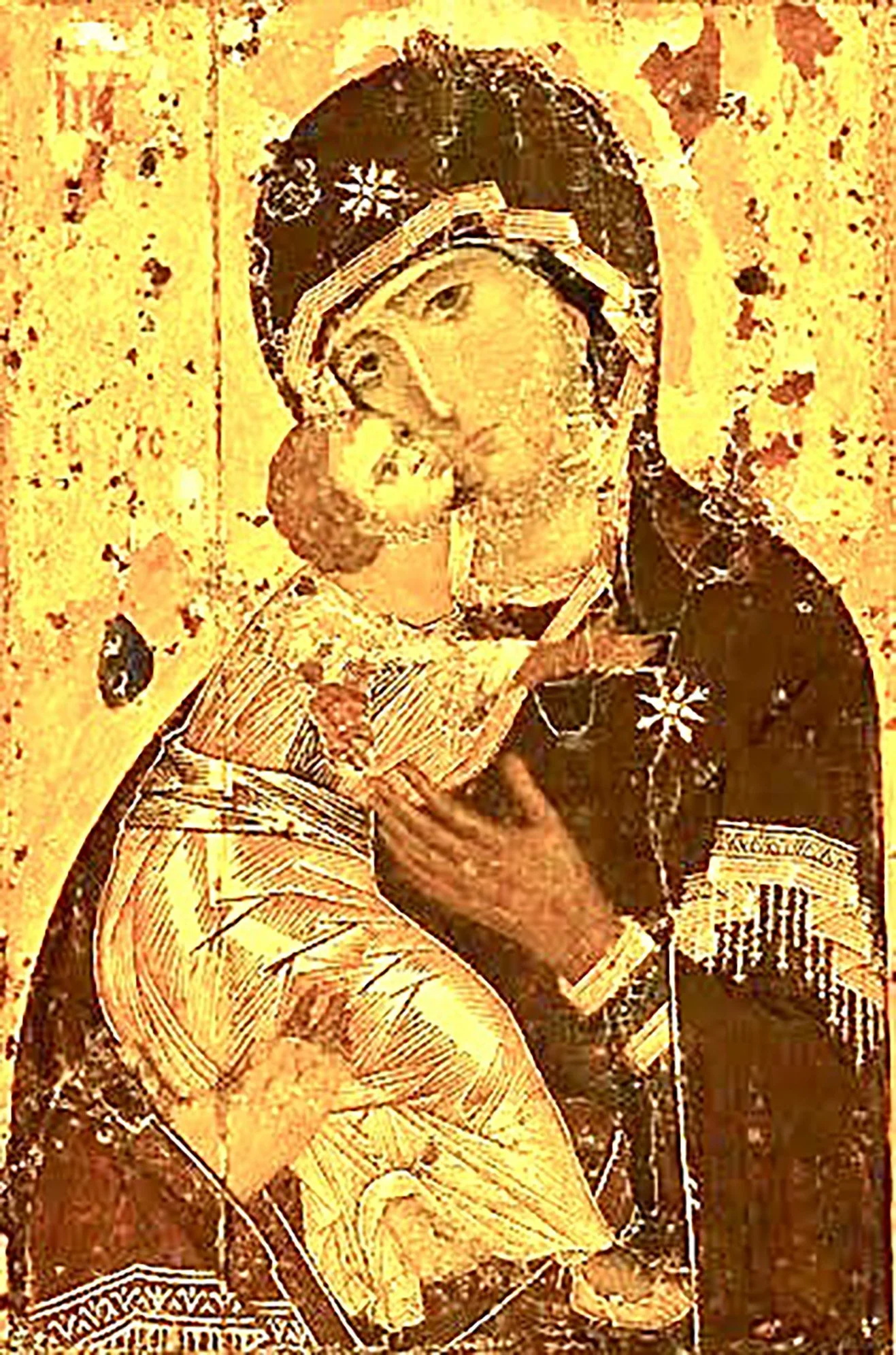
Thinking about our beautiful women, it’s very symbolic to recall the Vyshgorod Icon , that of the Mother of God. This is one of the oldest icons, dating back to the 12th century. The icon was painted in Constantinople and given to the city of Kyiv, the capital of Kyivan Rus’. According to retold descriptions, the icon was painted by the Evangelist Luсas on a linden board from the table at which the Saviour, the Virgin Mary, and Saint Joseph the Betrothed sat. The Mother of God saw this image and said: “From now on, all families will respect me. May the grace of him born of me and my grace be with this icon.”
The icon of the Mother of God stood in a monastery in Vyshgorod, the residence of the Kyiv princess and therefore was called the Vyshgorod Icon. References to the icon are found in ancient tales and stories.
In 1155, Prince Yuri Dolgoruky once again seized the Kievan throne. He appointed his son, Andrey Bogolyubsky, as his heir and prince in the city of Vyshgorod, which was well fortified and protected from enemies, and was also a favourite residence of the Kievan princes and a centre of pilgrimage.
Andrey Bogolyubsky wanted to become Grand Prince, but he favoured a single power, which was impossible. When he realized this, he left his father in Vyshgorod for Suzdal without his permission or blessing, intending to become Grand Prince there. He took the icon of the Mother of God with him and forged it with gold, silver, precious stones, and pearls. Thus, the icon came to Vladimir and became known as the Vladimir Icon.
The icon is now housed in the Tretyakov Gallery in Moscow, Russia. Many Ukrainians consider this Kyivan relic, stolen and appropriated by the Moscow principality, to have become a sacred symbol of Russian history. People consider the icon of the Mother of God to be Moscow’s first captive and await its return home. They also address the image of the Virgin Mary thusly: “Merciful Mother of God of Vyshgorod, we sincerely ask you to protect our Ukraine from enemies and preserve its integrity, save people from poverty, and strengthen spiritual and moral values.”
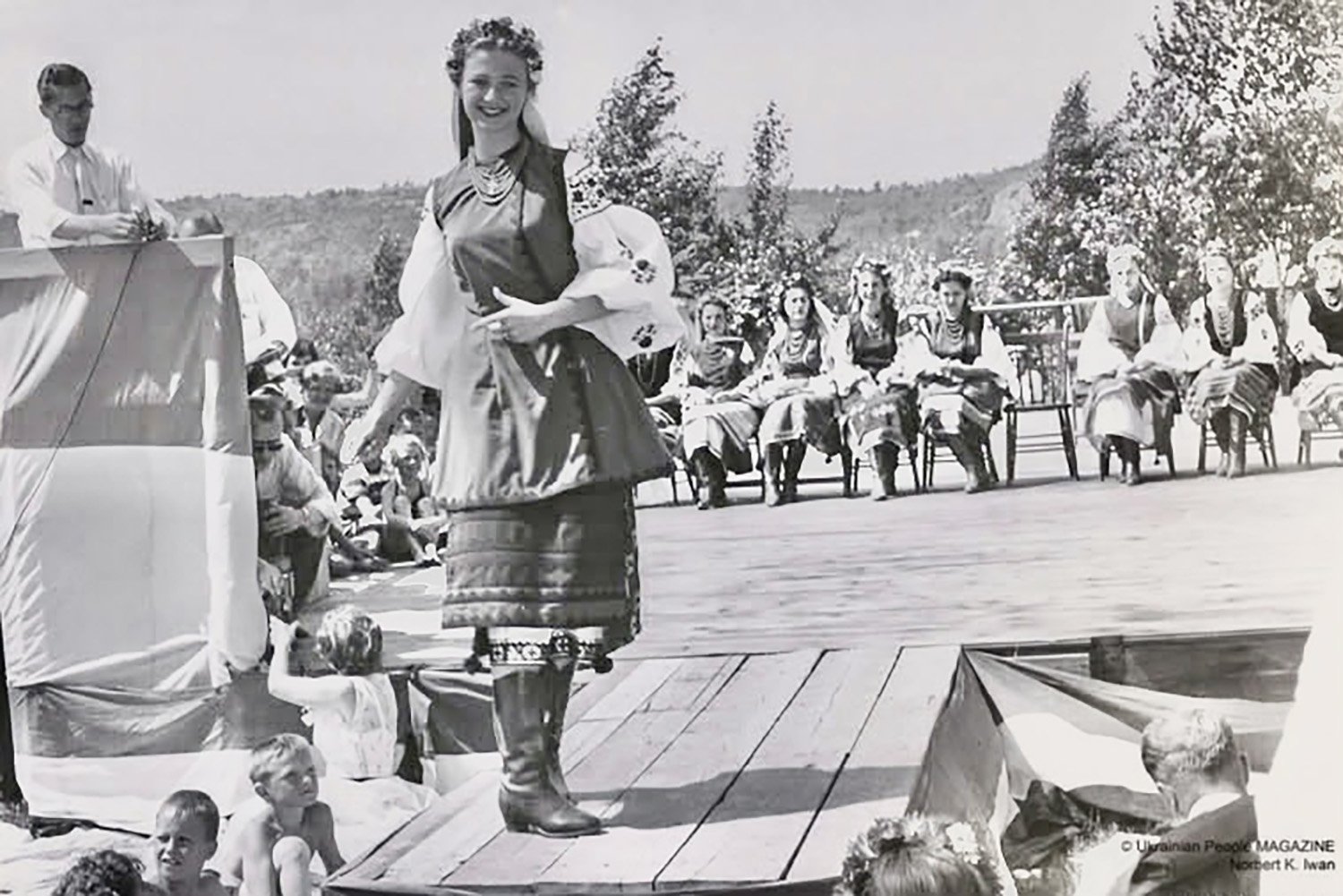
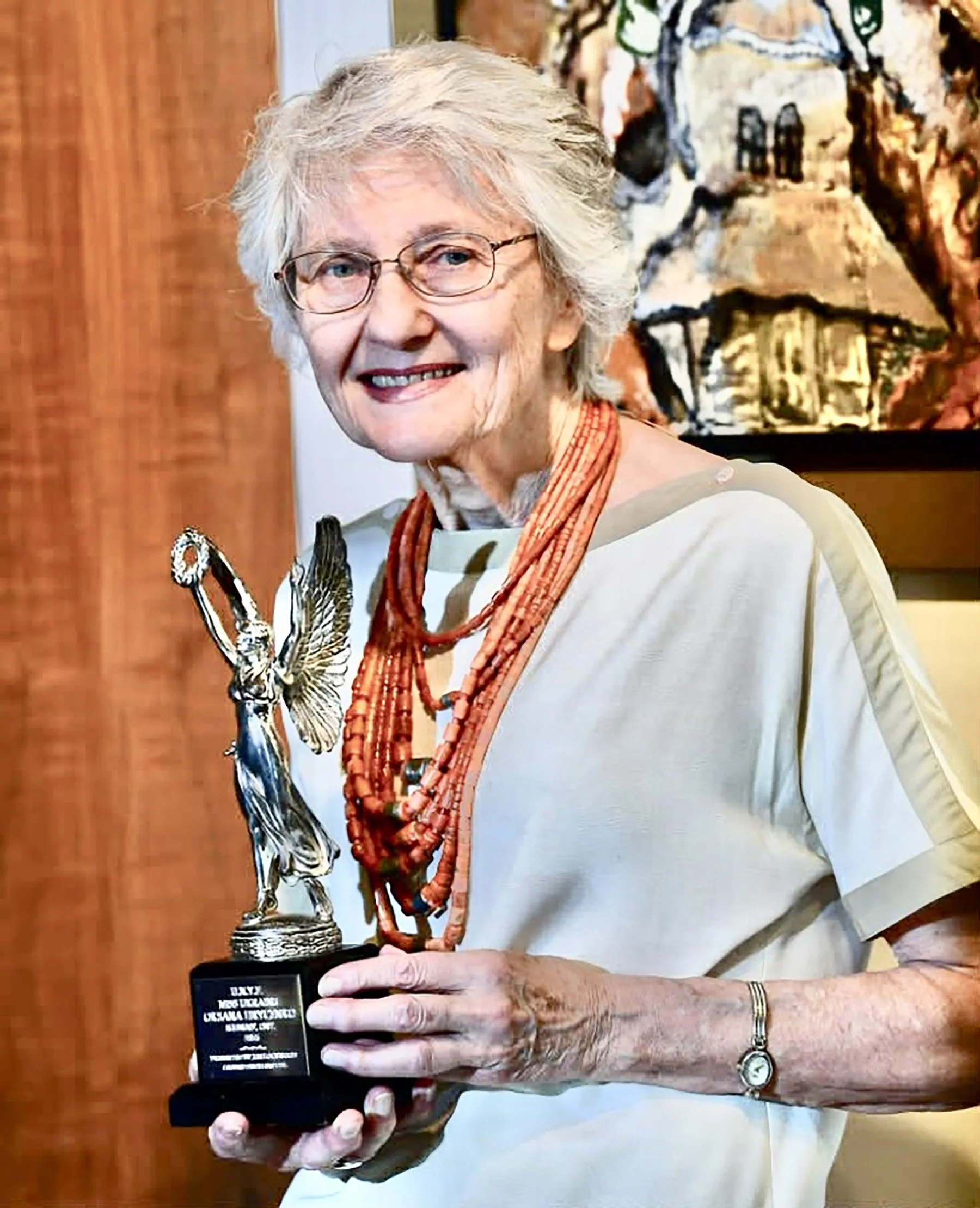
On March 11, 2026, another interesting event occurred. The first “Miss Ukrainian Canada,” Oksana Gritsenko, turned 86. Oksana was born to a family of Ukrainian immigrants. In the 1930s, her parents came to Canada where her father worked in a dairy. Her mother provided a Ukrainian education for the children: school, church, and community. On July 2, 1955, the Ukrainian National Youth Federation organized the “Miss Ukrainian Canada” pageant, and 17-year-old Oksana became the first winner. The selection criteria for the contestants were academic achievement, leadership, and ability.
Oksana recalls how unexpected her victory was and how pleased she was to see the beautiful, intelligent, and well-mannered young women who attended the competition. Oksana herself represented Ukrainian culture in national costume. She spoke about embroidery and the significance of its elements. Her mother helped her prepare the outfit.
The stories about women and their contributions to humanity are endless. The magnitude of each woman’s personality can be enormous, both for society and within her family. I wish all women the peace and immense happiness they deserve. And I congratulate everyone on the coming of spring.