

Six years in the saddle along the Great Divide
When a string of pack horses travelled through Coleman, children stopped to watch as though a parade were passing through town.
For Eric Muff, it was one memorable moment during a six-year horseback journey covering approximately 1,500 kilometres along the Great Divide, from the Montana border in Waterton Lakes National Park to Grande Cache.
Muff and Guy Travis of Sparwood completed the journey in separate sections beginning in July 2020. Wildfires, flooding, snow levels and the availability of feed for their horses determined when and where they could travel.
“In riding through the Pass, we came north through York Creek and then up Nez Perce Creek through to the Atlas Road,” Muff said. “What I remember the most was riding through Coleman and having the kids watch us as though we were in a parade.”
The journey began after Muff retired from a successful business and found himself looking for a new purpose and challenge.
His partner suggested riding the Pacific Crest Trail through the United States. After researching the idea, however, Muff decided he needed to begin with a more manageable journey where he could learn what long-distance riding required.
The Canadian Rockies became that first project.
Although the route extended from Waterton to Grande Cache, Muff and Travis did not ride it continuously from south to north. Instead, they completed different sections as conditions allowed, gradually filling the gaps over six years.
The last missing section they completed ran from the Cardinal and Rocky Pass area in Jasper National Park south to Crescent Falls, west of Nordegg.
Planning each trip required considerably more than following a line on a map. The riders needed to locate suitable trailheads, campsites, grazing areas, water sources and river crossings.
They gathered information from outfitters, guides, experienced trail riders, Parks Canada staff, the Great Divide Trail Association, GPS data and traditional paper maps.
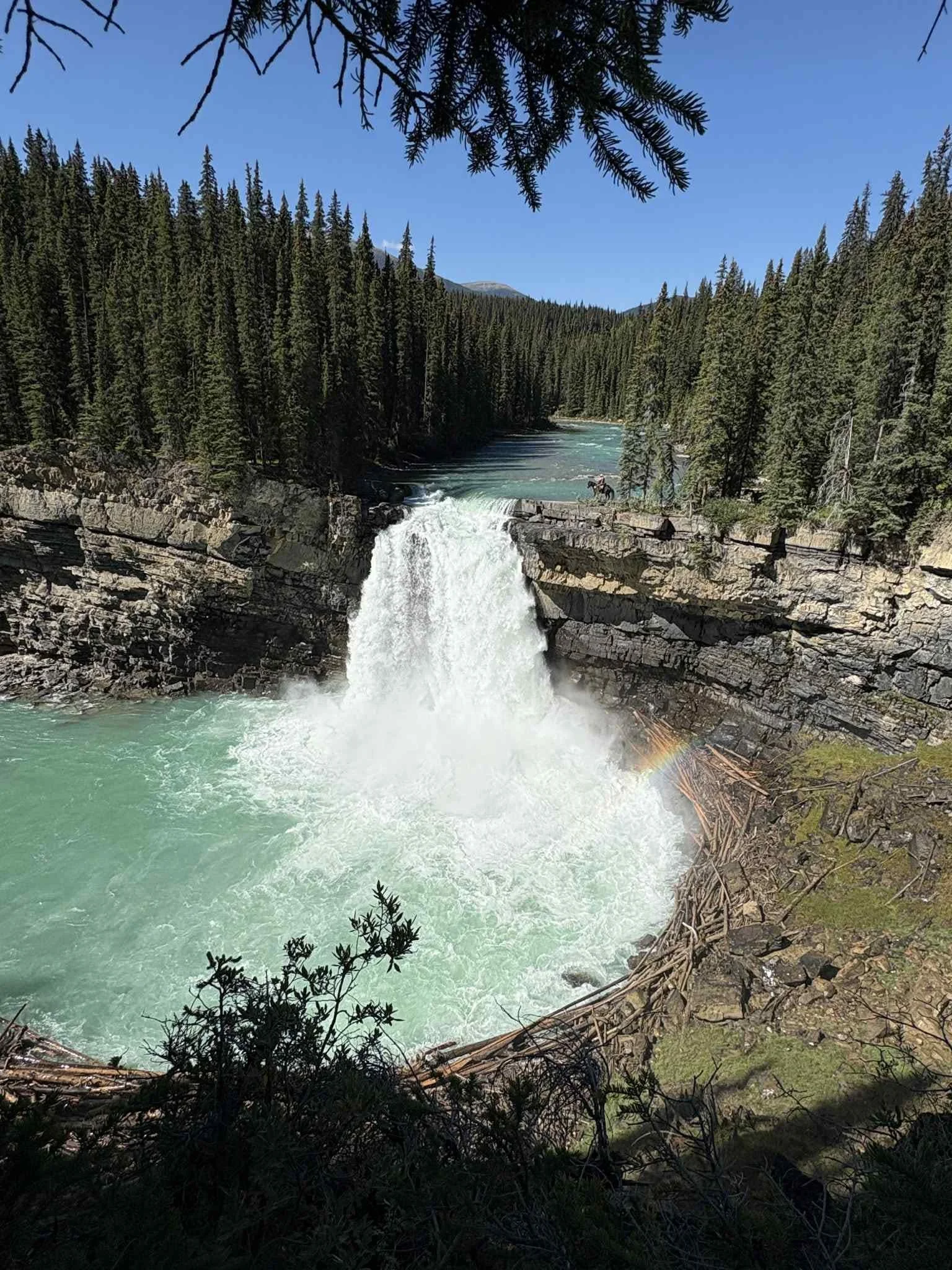
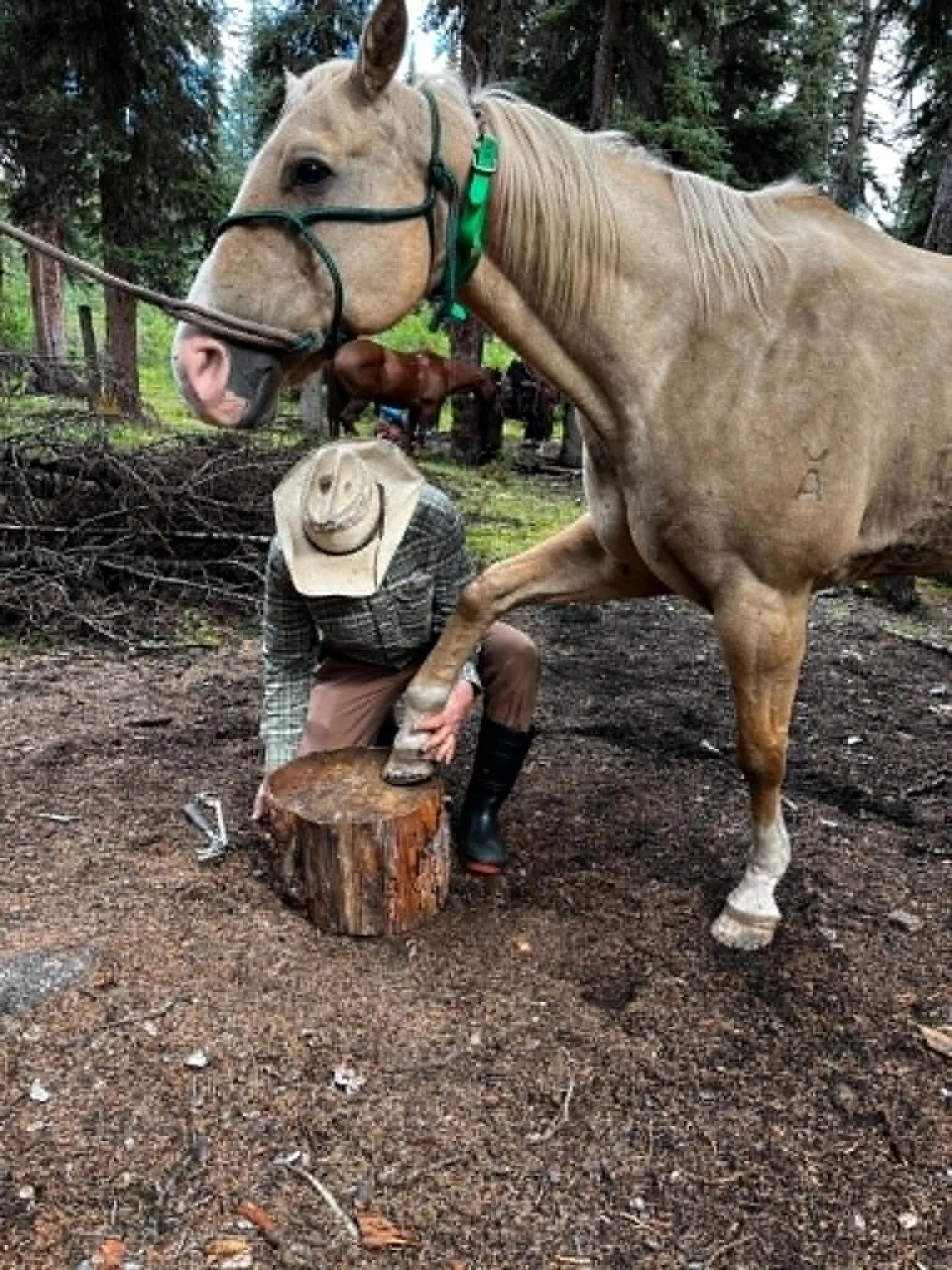
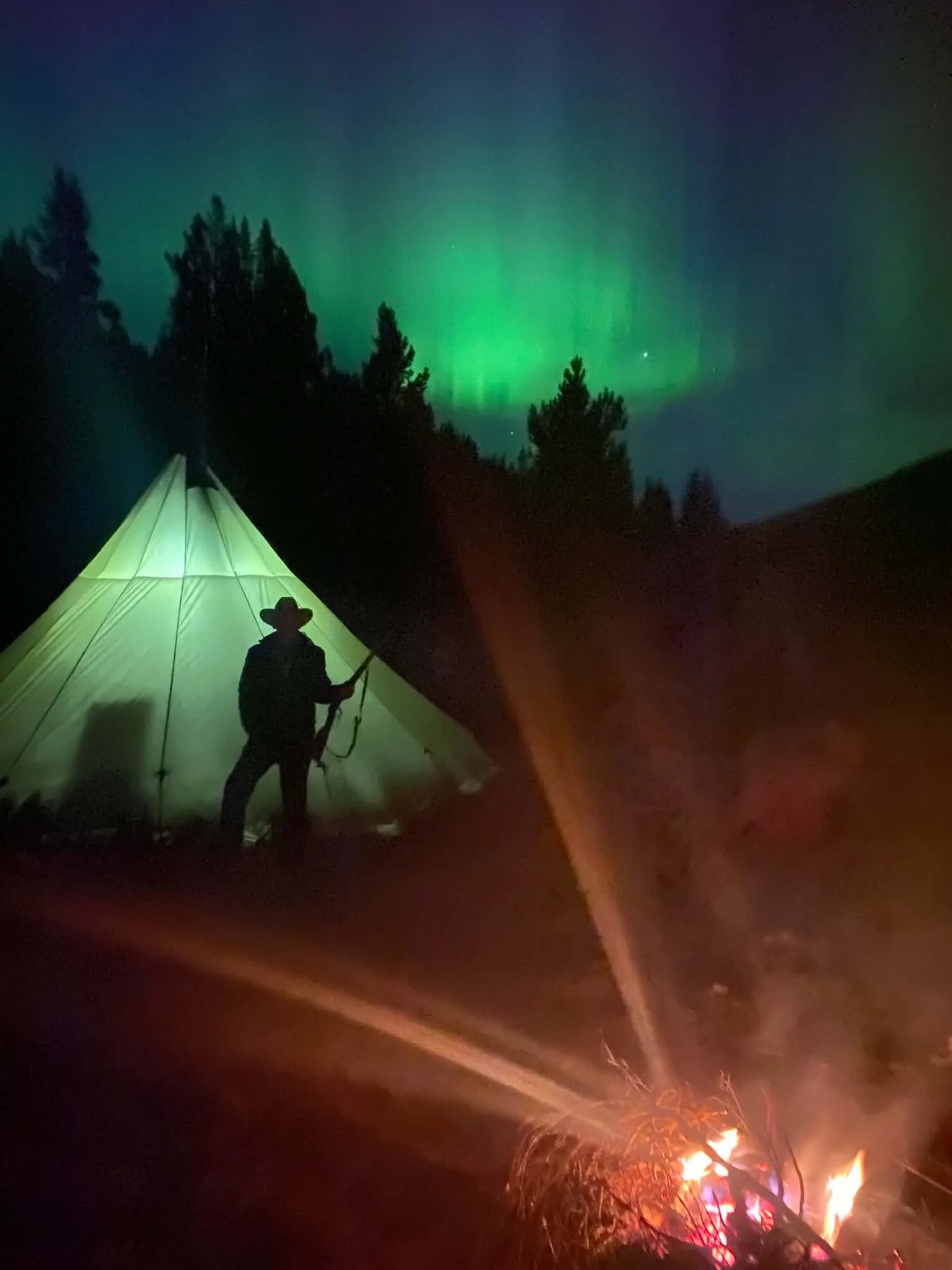
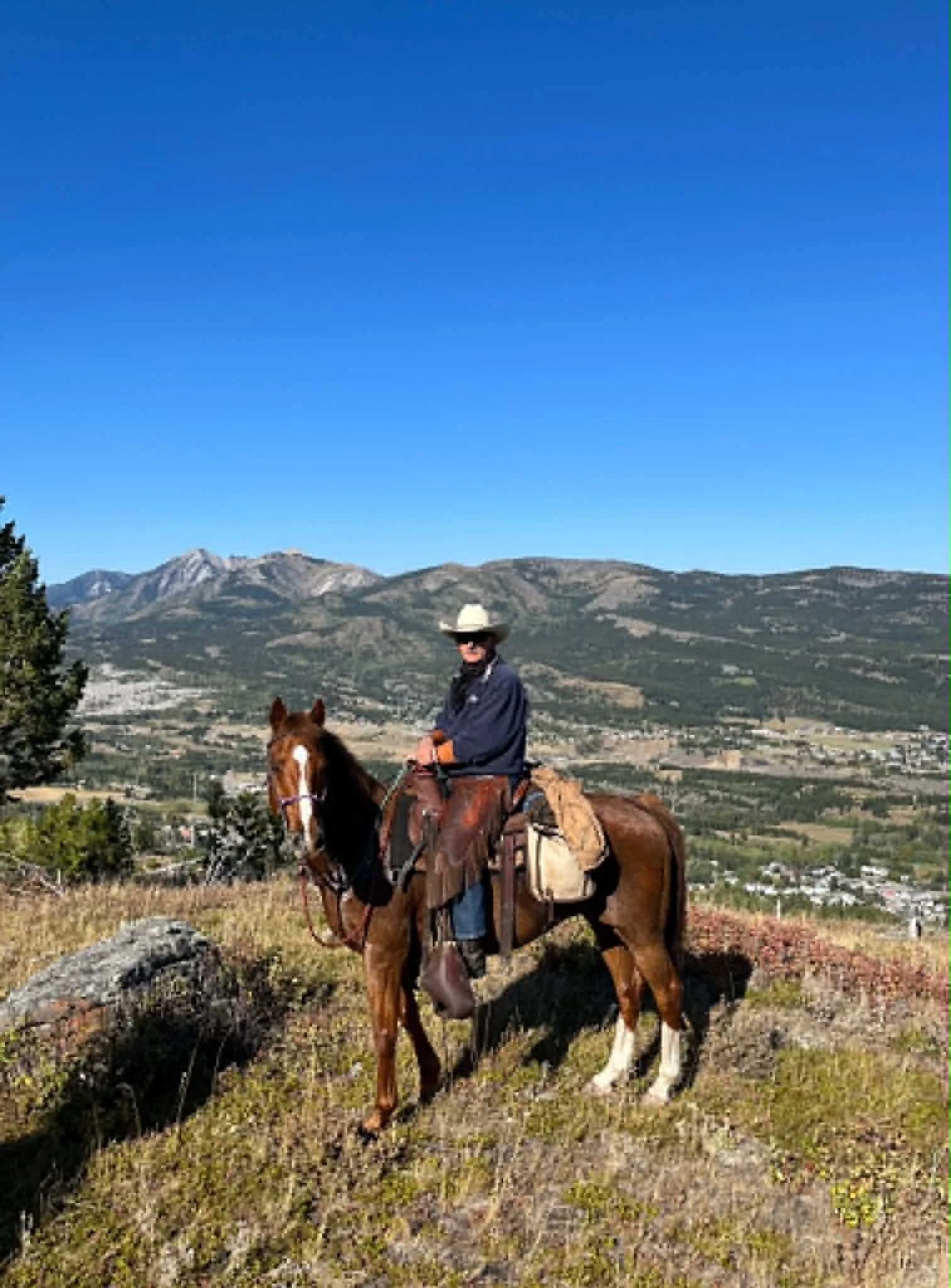
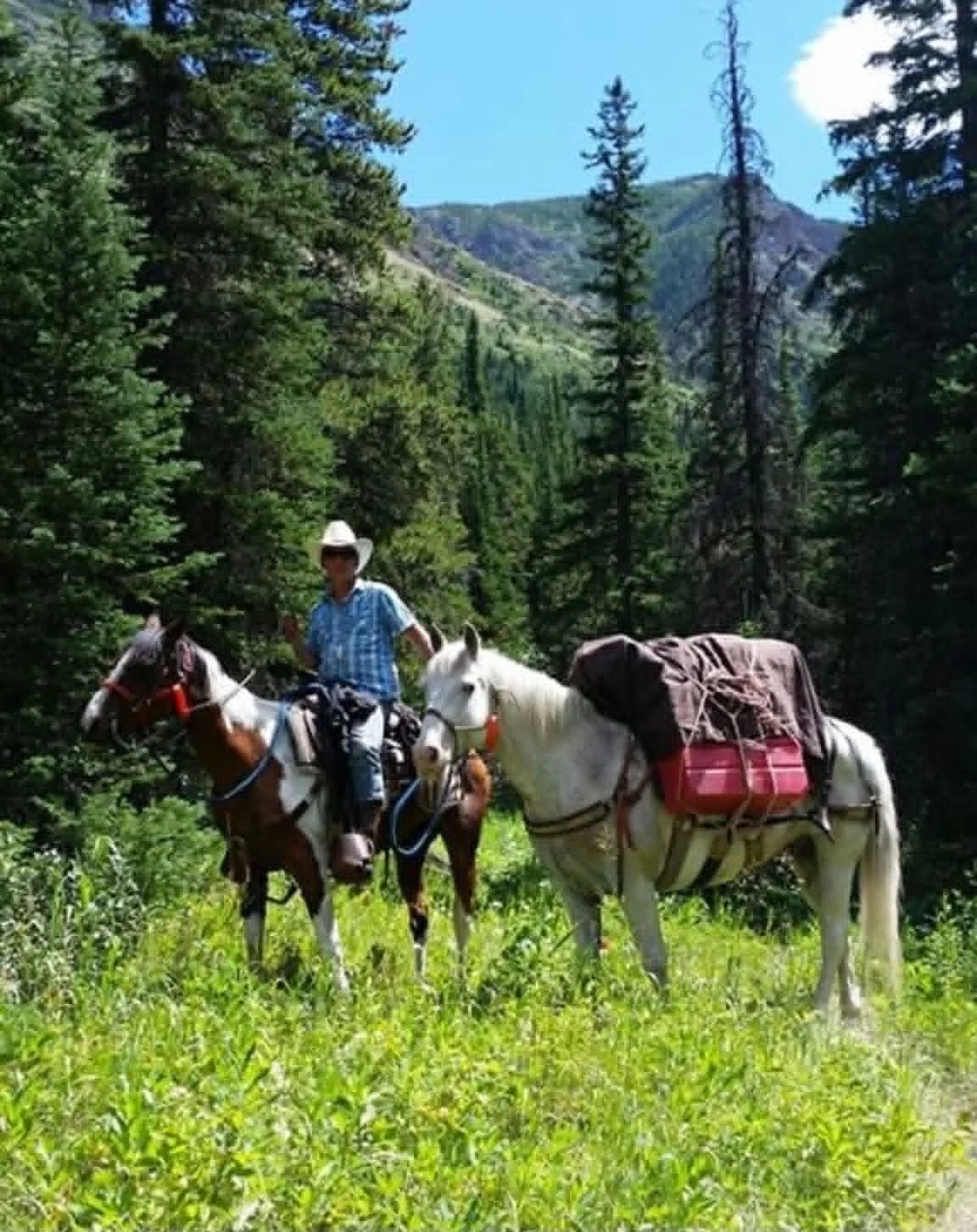
“Once a section was agreed upon, the research began and slowly a plan took shape,” Muff said. “Sometimes, if we lacked enough information, we chose a different section until we could put it all together.”
Flooding and wildfires forced the riders to change their routes several times.
The Great Divide Trail Association describes its route as a mixture of established trails, roads, all-terrain vehicle tracks and unmarked wilderness routes. The official trail extends approximately 1,123 kilometres from Waterton Lakes National Park to Kakwa Provincial Park.
Some portions of the official route cannot be travelled on horseback, particularly within national parks, requiring riders to find horse-suitable alternatives. Muff and Travis followed a longer route through the mountain corridor and continued to Grande Cache.
Several people joined them for individual portions, including Donald Dodge, Wendy Ryan, Joyce Taylor and John Whalen. Muff and Travis were the only two to complete the full journey.
The horses also changed during the six years. Some became too old to continue, while others later died from age or injuries unrelated to the trail.
Muff named Tut, Tucson, Cooper, Hondo, Maverick and Shez among the horses he rode during different sections.
“Wet saddle pads, miles and experiences make great horses,” Muff said. “The horses we started with were not the horses we finished with.”
Each day was planned around making progress while keeping the horses fed, watered and healthy. The riders checked their shoes and equipment regularly, particularly blankets and other gear that came into contact with the animals.
The horses were brushed each morning and fed and watered at the beginning and end of the day.
Keeping the riders supplied also required compromises. Cooking full meals would have required heavier pots, pans and ingredients, as well as additional time in camp, so Muff and Travis relied primarily on freeze-dried food.
Mountain streams provided water along the route.
Each rider carried his own tent, stove, food and basic equipment. Carrying two sets of essential gear meant they had a backup if something failed. It also gave either rider the ability to continue alone if the other had to leave the trail.
The most difficult section, according to Muff, was between Cataract Creek and Baril Creek, west of the Forestry Trunk Road.
“The terrain in this area was like an elevator,” he said. “Up and down, up and down, and more grizzly bear sign than any other section.”
Temperatures reached approximately 40 C each day while they travelled through the area.
The riders also encountered four grizzly bears at close range during the journey. A sow accompanied by three nearly grown cubs charged three times before leaving.
On another section, one of the horses became stuck in a bog. Muff said it required considerable effort to free the animal, but the horse was unharmed once it was back on its feet.
Neither experience persuaded the riders to stop.
“At no time did we consider giving up the adventure,” Muff said. “We just did what we had to do to get the sections done.”
The northern end of Banff National Park stood out as the most striking landscape of the journey.
Muff described wide valleys surrounded by vertical peaks, hanging glaciers and almost no other people. A trail crew the riders met said it had not encountered another horseback traveller in the area during eight years of working there.
“It was the most beautiful country I’ve ever ridden through,” Muff said.
The relative isolation also showed Muff how quickly the number of people declines beyond the most accessible areas of the Rockies.
“Within a half-day’s hike there are people, but deeper than that, very few,” he said.
That pattern began to change during the six years they spent completing the route. Muff said they rarely encountered anyone during the early sections, while Great Divide Trail hikers had become an almost daily sight by the end of the journey.
Despite the years of preparation and the distance covered, finishing the final section did not immediately feel like a dramatic ending.
“Completing the final section was really anticlimactic,” Muff said. “We had spent six days living moment to moment.”
After years of studying maps, arranging transportation, watching conditions and preparing horses, it was difficult to immediately process that there were no remaining sections to complete.
Muff does not currently have another long-distance ride planned. The journey nevertheless left him with a greater appreciation of the horses, Alberta’s backcountry and what people can endure when they commit themselves to a goal.
“We are stronger than we think,” he said. “We can put up with discomfort and enjoy it.”