Resilience and Survival in Ukraine
Winter in the Crowsnest Pass surprised and delighted me with its diversity. The frosty snowy days recede, and the air barely hints of spring. And then the frosts come, and winter once again covers everything with snow. But even on these cold days, my house is always cozy and warm. This is very valuable given what’s happening in my country now.
In Ukraine, winter is completely different from what it was four years ago. People back then could stroll peacefully along snow-covered alleys, not think about the war, drink coffee without flinching at the sound of sirens. This year, winter has become another difficult test for Ukrainians
In September 2022, Russia began striking Ukraine’s power grid. Cruise missiles and drones have targeted power plants, gas production facilities, and transformer substations that supply energy to consumers. As a result, power, water, and heating outages began to occur in many regions of Ukraine. By early 2023, at least 77 civilians had been killed and nearly 300 wounded in attacks on Ukraine’s energy and other infrastructure. Energy Minister Denys Shmyhal stated that there is currently not a single power plant in Ukraine that has not been hit by missile strikes.
The winter of 2026 is no exception, and after massive, continuous attacks, almost all regions of Ukraine are struggling with power outages. The situation has become extremely dire due to severe frosts and windy weather. On January 9th, 2026, Kyiv authorities reported that the left-bank part of the city was partially without power, metro service was restricted, and electric transport was replaced by additional buses. Due to the prolonged lack of heat, people began to freeze in their homes.
A few days later, other areas of the city suffered the same fate. Facebook was overflowing with daily posts from people describing, and continuing to describe, the horror of what was happening. At night, city residents heard the sounds of flying shahids and explosions, and the same thought, ingrained in their minds for years, was constantly in their heads: “Thank God we’re alive!” (As an aside, shahids are Iranian made missiles)
And during the day, they received reports of damaged thermal power plants and power outages. Apartments had no heating or hot water for days. It was so cold that neither warm clothes nor hot tea in a thermos helped. Cold and darkness, a feeling of impending death.
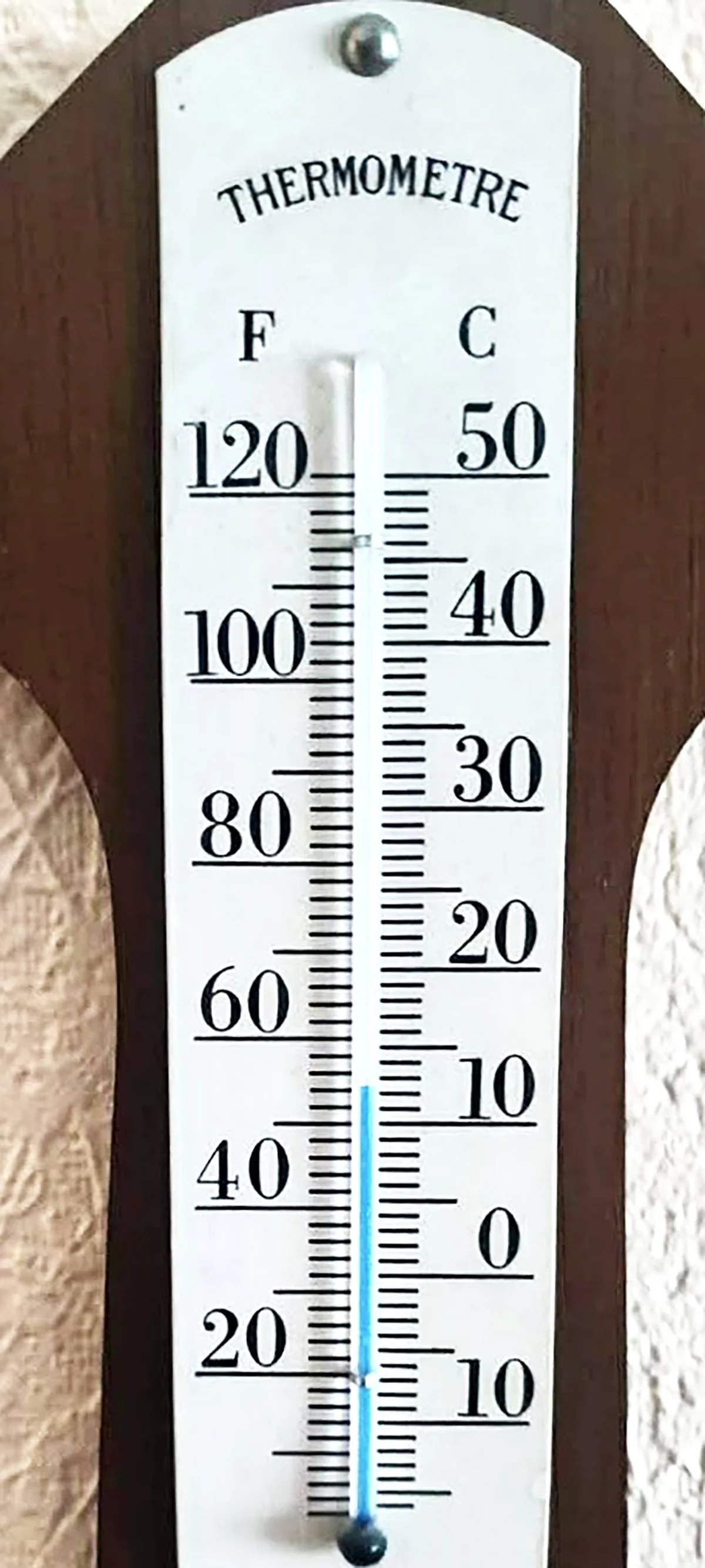
To somehow warm themselves, people placed bricks on the gas stove and heated them; some pitched a tent in the centre of the room, constructing an awning out of blankets. Thermometers in apartments showed +12, +9, +5. It was especially difficult for people living on the upper floors of multi-story buildings, the disabled, and people with small children. One psychologist described the situation this way: “We live in conditions that are not normal, and it’s important to admit this honestly. Extended power and heat outages, cold apartments, damp walls, constant anxiety, instability, a life on hold and simultaneously tense. The body and mind are not designed for such a regime for long. We are now at the point of survival and self-preservation.”
This situation can not help but seriously affect people’s psyches. Many described their state as sudden anxiety, sometimes anger, sometimes crying, a feeling of lack of choice and hopelessness.
Meanwhile, thermal power plants are struggling to resume operations because they are once again under missile attack. City authorities have set up warming stations on the streets where people can drink hot tea, warm up, and charge their phones. For the elderly and disabled, trapped in their apartments due to the lack of elevators, the situation has become extremely critical. Their families, neighbours, and caring individuals are helping in any way they can to make life easier in this difficult situation.
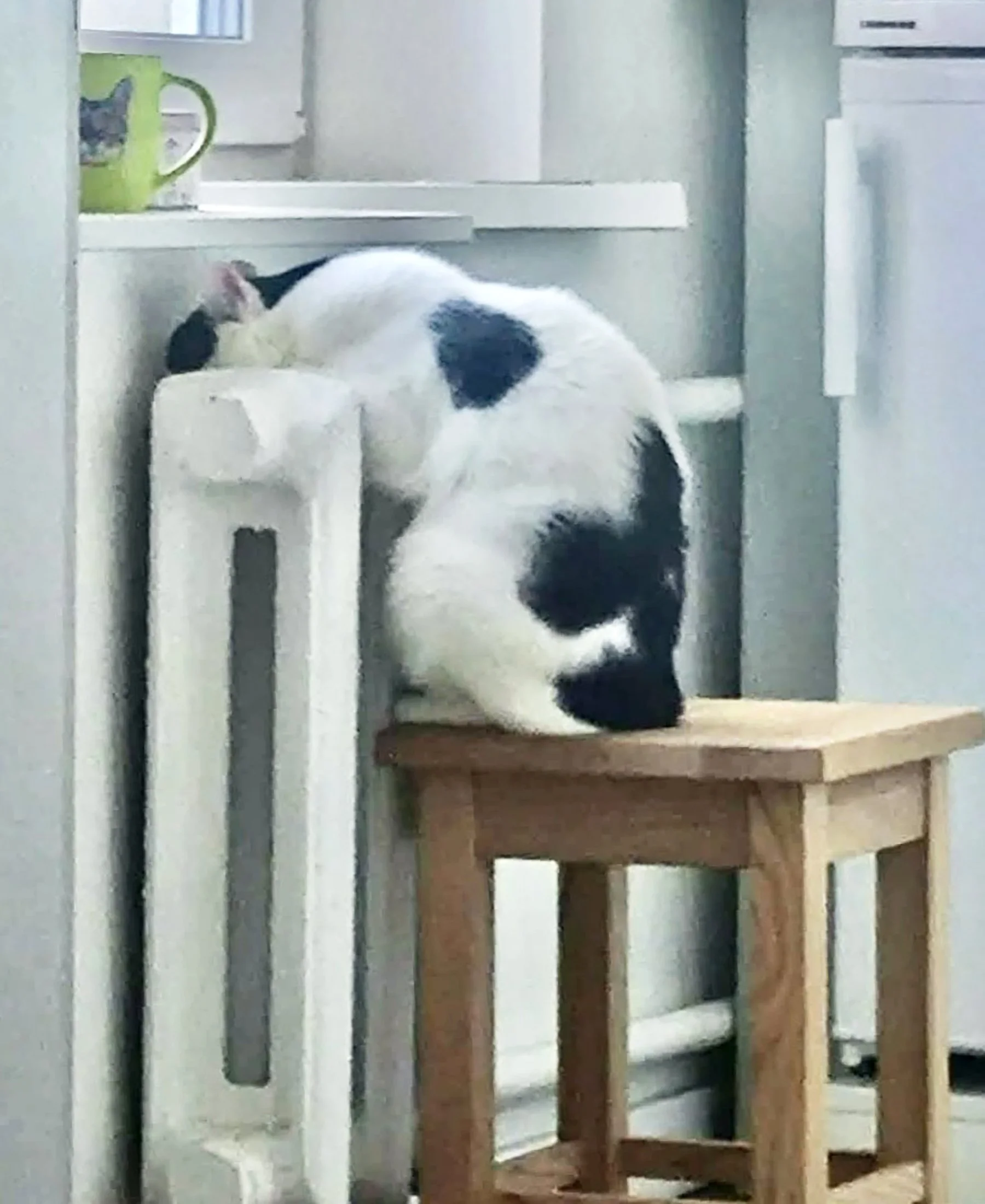
One day, Kyiv Mayor Vladimir Klitschko urged all residents to stock up on food and move to country houses until the power grid is restored. But people are afraid of losing their jobs and leaving their homes. A friend of mine wrote to me that she was at work in her office wearing warm outerwear, her hands covered in warm gloves, and hot tea from a thermos gave her hope of not getting sick. Surprisingly, even in such a situation, people try to maintain a sense of humour. One woman posted a photo of her cat on social media and wrote that when the heating was turned on for a while, her beloved cat cuddled the radiator, then went to greet her as if he were walking the red carpet.
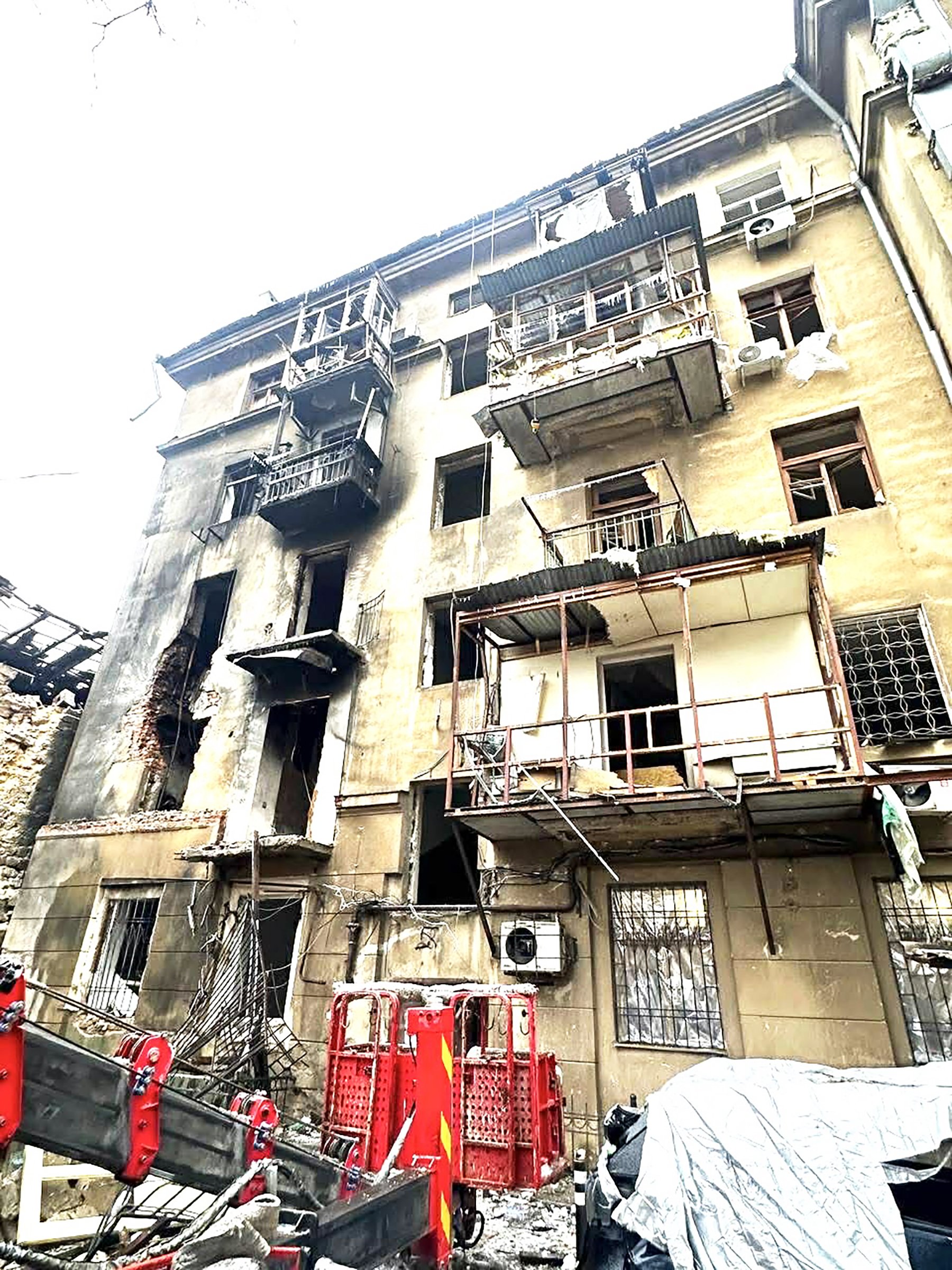
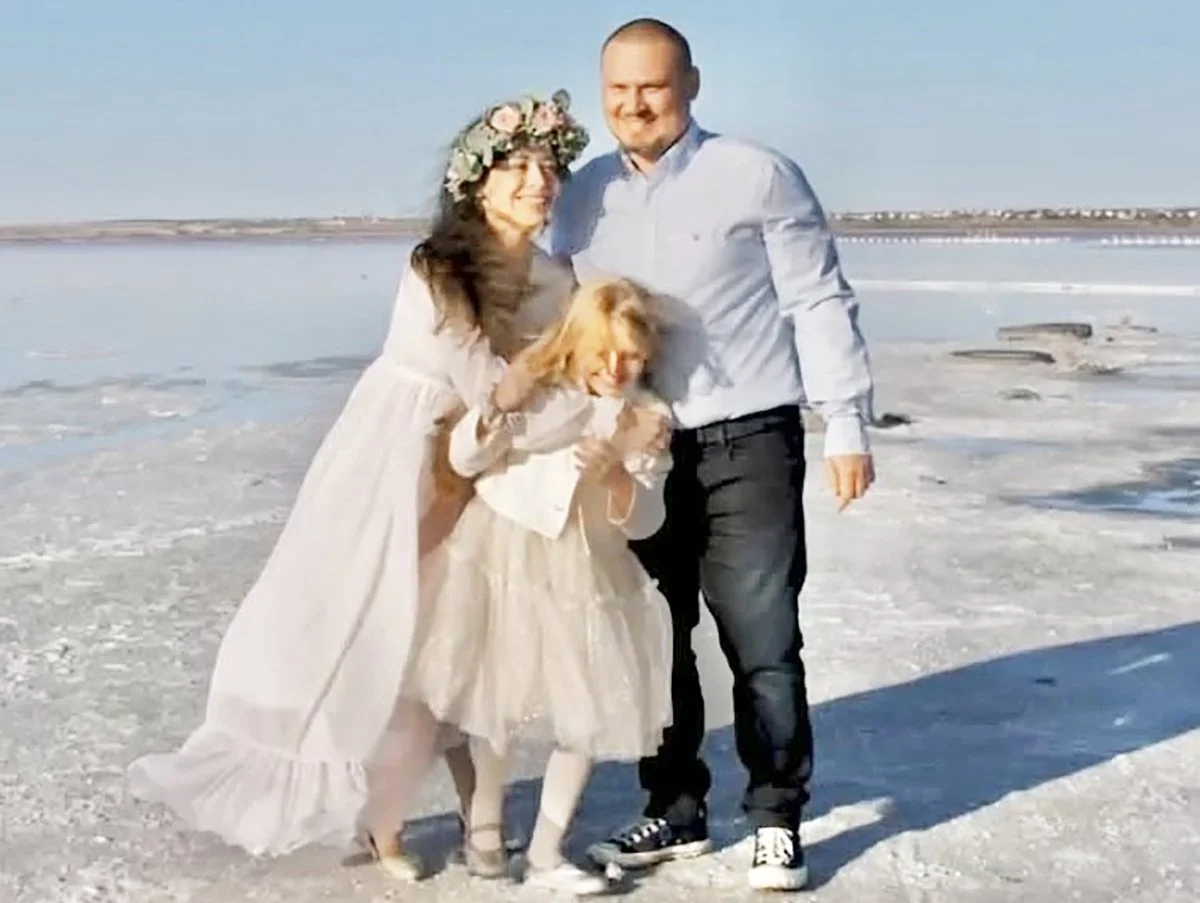
January proved harsh not only for Kyiv but also for other Ukrainian cities. Residential buildings, hospitals, pharmacies, and educational institutions were again destroyed. For example, on January 27, the beautiful city of Odesa, located on the Black Sea coast, suffered from massive missile strikes and shahids. My friends Maria and Yuriy live in this city. They have a daughter, Miroslava, and their family is expecting their second child. Yuriy Onishchenko is the president of the Centre for the Development of Contemporary Culture, a public organization that works towards European integration in the cultural sector and the development of contemporary art in Ukraine. He continues his work amid the war and, along with everyone else, experiences all its consequences.
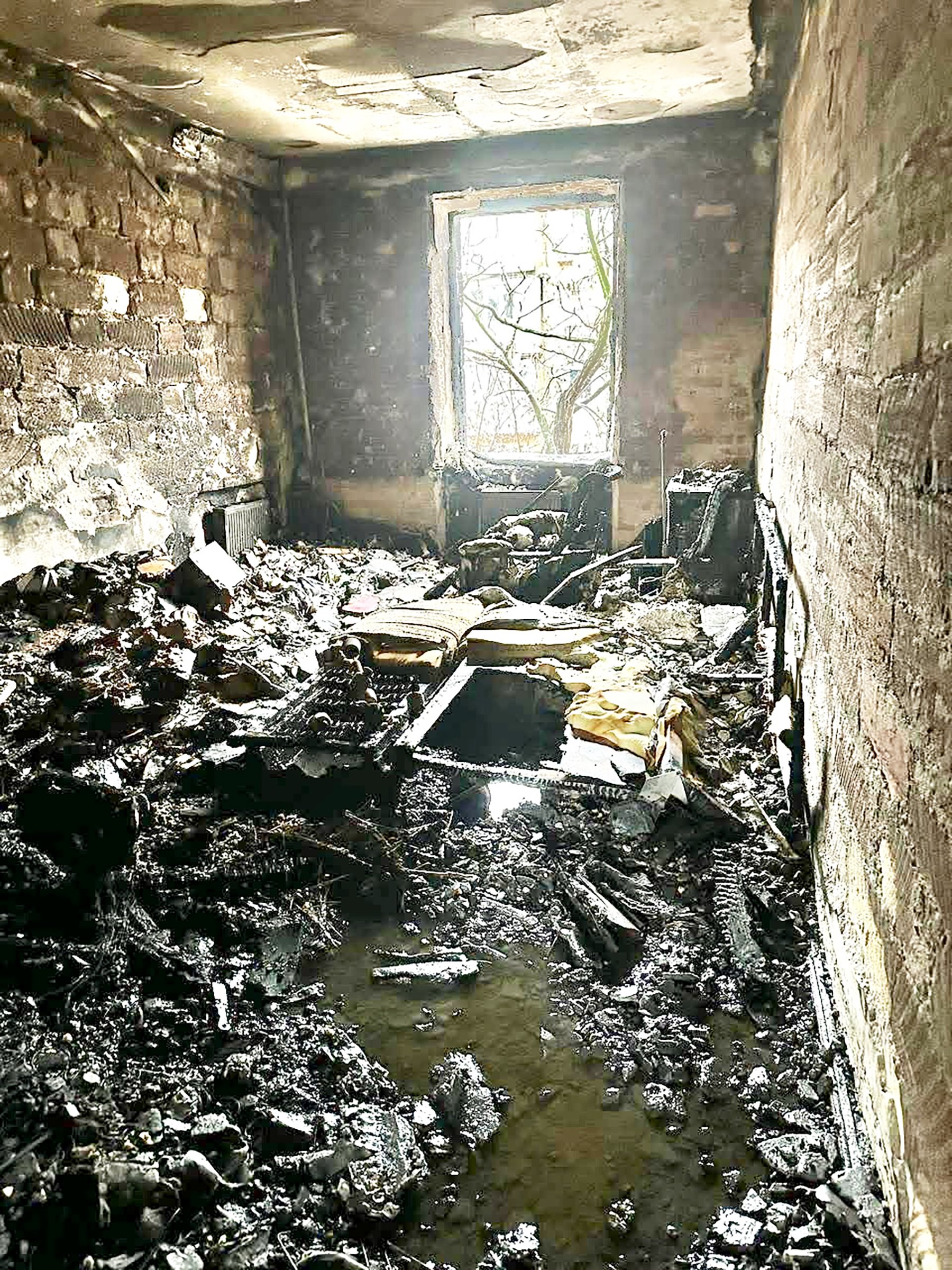
Shortly before the war, the couple bought their own home on one of Odesa’s main streets and renovated it. In January, their home was hit twice by rocket fire. Fortunately, my friends are alive, as they were in shelter when their home was hit, but unfortunately, that night claimed the lives of others. Yuriy shared some details of that terrifying night with me: “It was like a movie. I experienced many different emotions. I wasn’t scared; those moments were filled with adrenaline. I was with the firefighters getting our dog out of the apartment; the entrance was blocked, and the guys were still putting out the fire. There were no open flames anymore, but small, constant flare-ups were pushing out a huge amount of smoke. It was an unforgettable experience. I felt what a fire is and how firefighters work. The large number of burning houses on a wide street and the deep vista with burning houses from different directions—it was just like in apocalypse movies. It was a terrifying experience, but I felt a certain side of war first-hand and survived it.”
A fundraiser has been created to support the firefighters. Maria wrote to me about how embarrassed she was and how grateful she was to all her friends for this. Maria experienced great stress after seeing the destruction that occurred in their home while they were in the bomb shelter. The family has now moved into rented accommodation, and I sincerely hope they will be safe.
War, in whatever form it appears, is a marker of our times, pointing to the imperfections of our civilization. Nothing can justify cruelty and violence directed at innocent people. When I talk to my compatriots, I feel their strength and their overwhelming desire to live a full life, to live in joy and love, to forget fear and suffering. And when we pick up a cup of hot tea, let’s think together that somewhere on another continent, this cup warms someone with its warmth, and perhaps it becomes a small support for someone today.