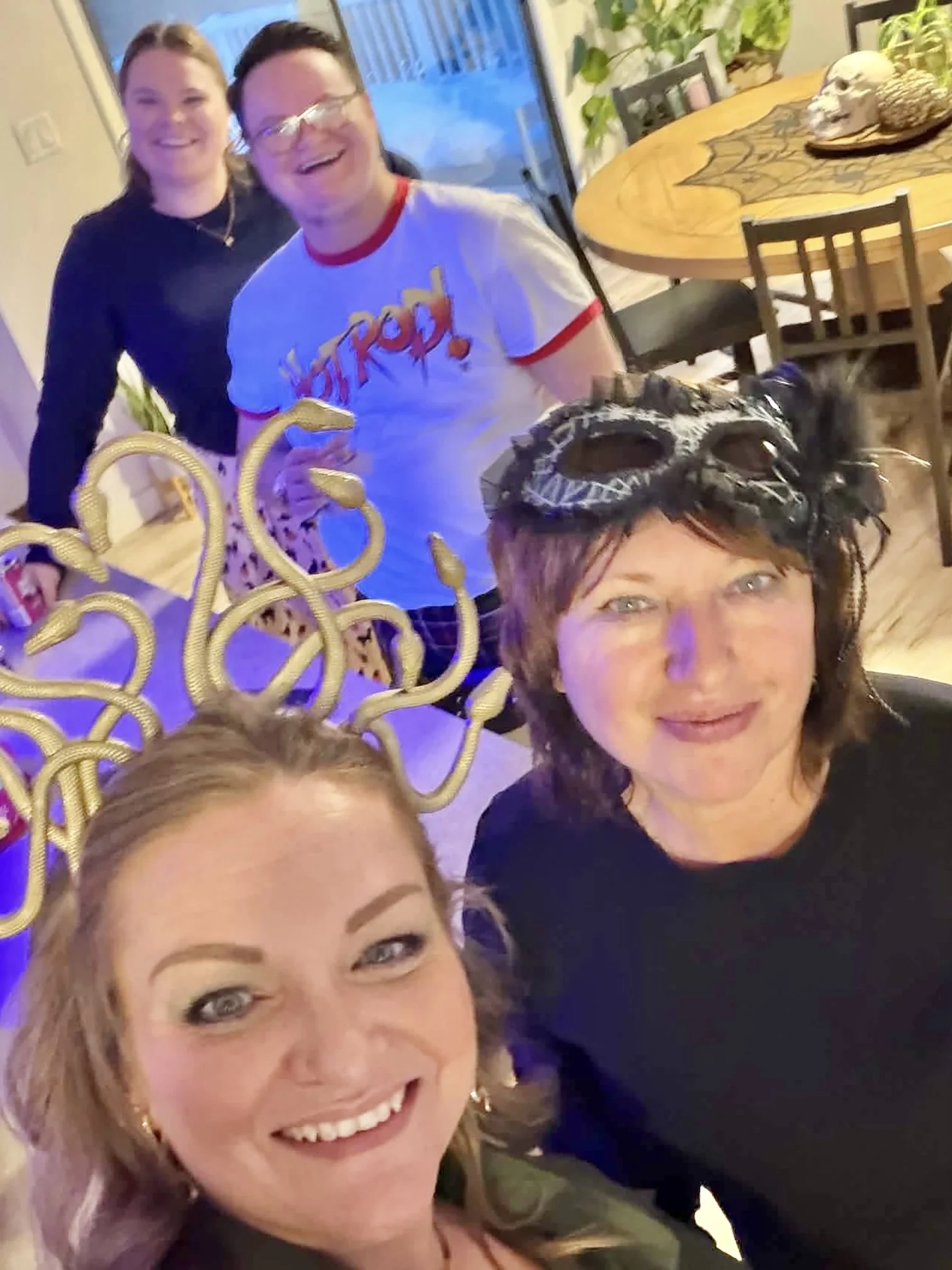
This year’s Halloween in Crowsnest Pass was a special time for me. The snow made everything seem magical, just like in the old fairy tales my generation grew up with. In Kyiv, where I lived, snow usually appears in December, and people eagerly await it on New Year’s Eve.
My friend LaChell invited me to the Halloween party where there was a wonderful festive atmosphere: beautiful decorations and guests dressed as fairy tale character. Of course the children delighted us when they came to buy candy. We have a similar custom in Ukraine, which takes place during Christmas.
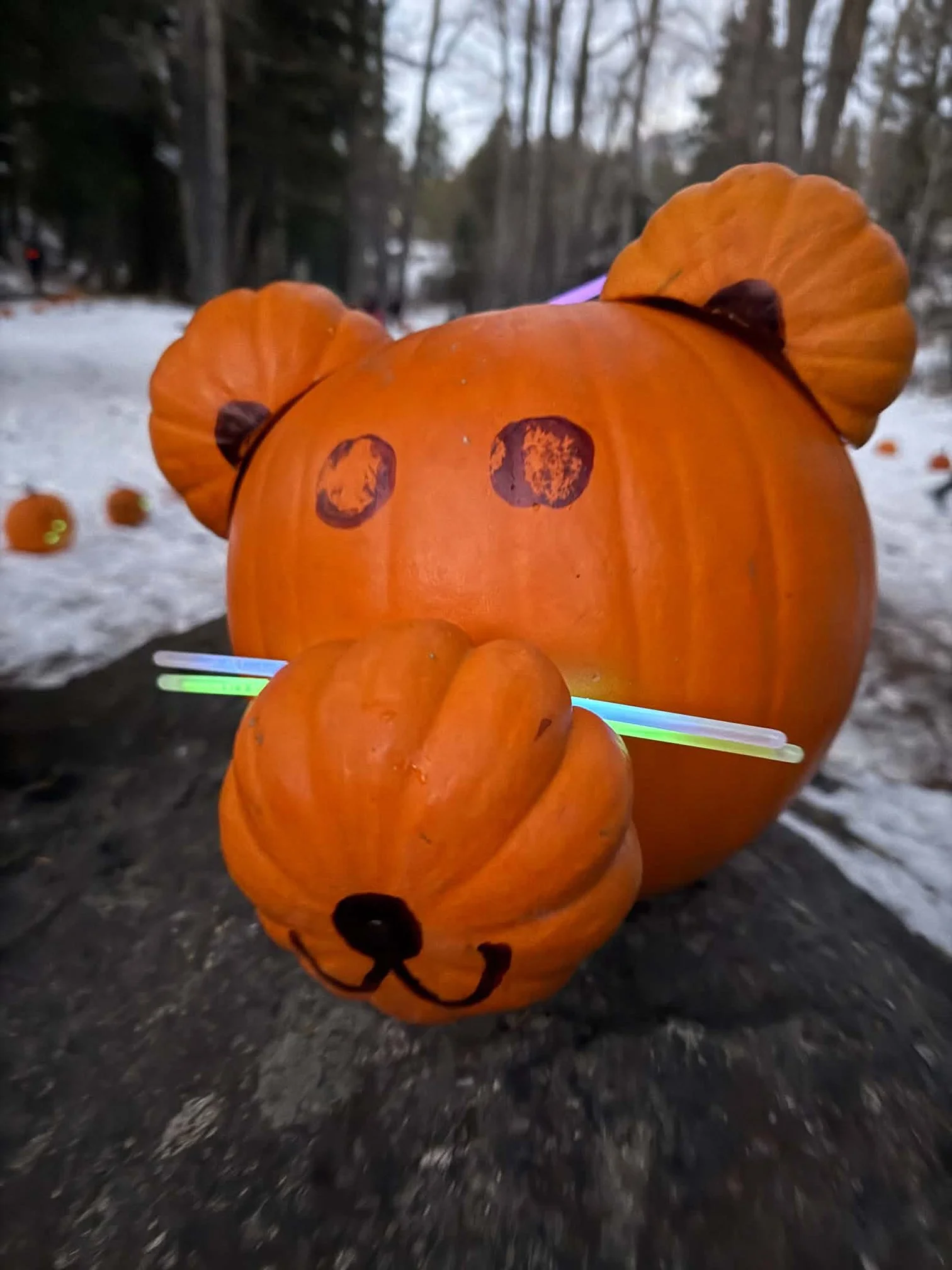
I decided to join in and immerse myself in the holiday spirit. I had to bring home a large pumpkin and figure out how to decorate it. I made it into a surprised and slightly frightened girl. I thought she looked like me when I arrived in such a distant and unfamiliar country as Canada. I placed my pumpkin by the doorstep so everyone could see its beautiful bow.
Before visiting LaChell, I called my parents and told them about it. My dad gave me a great idea to treat everyone to some unusual vareniki(dumplings). I made them yellow by adding turmeric and a little food coloring to the dough, and filled them with poppy seeds and apples. The vareniki resembled pumpkins, just as bright and fragrant.
While Halloween is over I decided to tell my readers about my knowledge of pumpkins, a vegetable that is very popular in Ukrainian culture. Many symbols and rituals are associated with pumpkins, and they are also very popular in cooking. And I want to share all of this with you.
One of the most popular customs associated with pumpkins is matchmaking.
According to Ukrainian custom, matchmakers from the groom’s side would come to the bride’s house—usually two respected married men: relatives, a godfather, or close family members. The groom himself often came with them.
The groom’s parents could attend, but this wasn’t always required—customs varied by region and time. In a more modern tradition, the groom usually came with his parents.
The matchmakers would bring bread and begin a conversation, for example, like this: “You have goods, we have a merchant.” If the bride accepted, in some areas she would present embroidered towels to the elders. Refusal was associated with the custom of “giving a pumpkin.” Depending on the region, the bride could bring out a pumpkin and give it to the groom or leave it outside the door. This signified the girl’s refusal to marry him. Receiving a pumpkin was considered shameful for a guy, so before approaching a girl and asking her to marry him, he had to think twice and muster up the courage.
But why a pumpkin? This choice has a scientific basis, as pumpkin, and especially the seeds, are a rich source of zinc, which influences testosterone levels, an important hormone for men. Rejection due to the pumpkin symbol could hint at a man’s lack of masculinity or his inability to win a girl’s heart.
Pumpkins are a symbol of prosperity and fertility, thanks to their large size and vibrant color.
In folklore and folk art, pumpkins are symbols of the head of the family. The folk song “A pumpkin walks through the garden” is very popular in Ukraine. Here are some verses from the song:
A pumpkin walks around the garden,
Asks its kind:
– Oh, are all pumpkin’s relatives alive or healthy?
The yellow melon called out,
The pumpkin’s mistress:
– Still alive, still healthy
All pumpkin’s relatives!
The cucumbers called out,
The pumpkin’s sons and daughters:
– Still alive, still healthy
All pumpkin’s relatives! –
The beans called out,
And after her the yam:
– Still alive, still healthy
All pumpkin’s relatives!
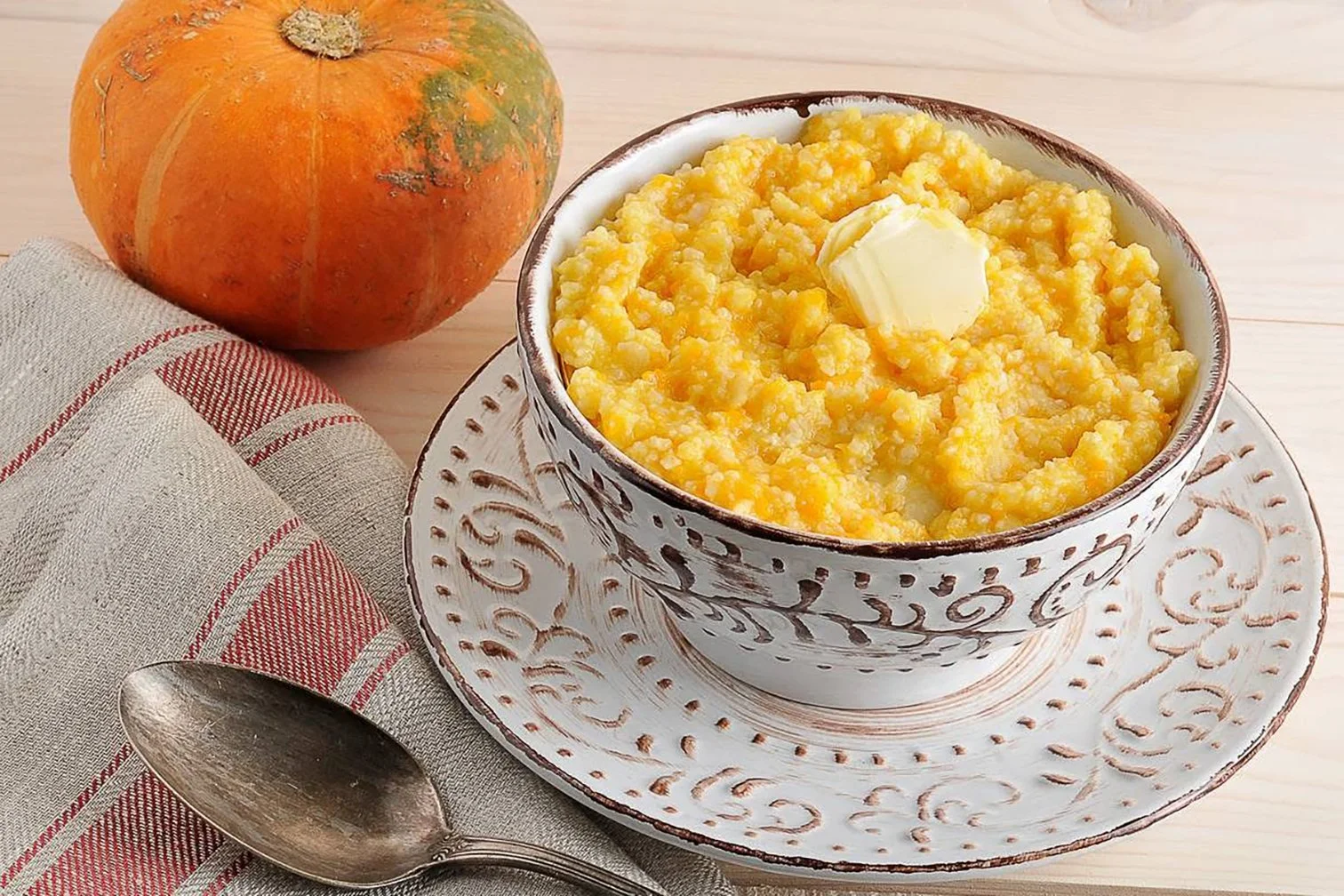
Pumpkin appeared in Ukrainian lands several centuries ago and became the basis for many dishes. Pumpkin was baked, used in soups, and sweet pumpkin porridge with milk and millet was and remains particularly popular. Later, housewives began replacing millet with rice. My mother loves to make sweet rice porridge with pumpkin. She boils pumpkin pieces, mashes them, adds milk, a little sugar, and rice, and cooks until done, always adding a knob of butter at the end. The porridge shouldn’t be too thick. People are very lucky to have such a wonderful vegetable. Pumpkin can be baked, made into soup, and every housewife has her own favorite recipes.
Pumpkin is also used in folk medicine. Thanks to its high potassium content, pumpkin helps normalize blood pressure and improves heart function. It also contains a lot of vitamin A, which has a positive effect on vision. Pumpkin is rich in fiber and is gentle and soothing on the stomach. Pumpkin seeds have been used as a natural remedy for increasing zinc levels, which is important for immunity. Pumpkin also helps cleanse the body of toxins and maintains overall vitality, so it’s often included in the diet to prevent various illnesses. Of course, it doesn’t cure every illness and isn’t a substitute for comprehensive treatment. However, excluding pumpkin from your diet isn’t recommended, especially in the fall, when the body needs vitamins.
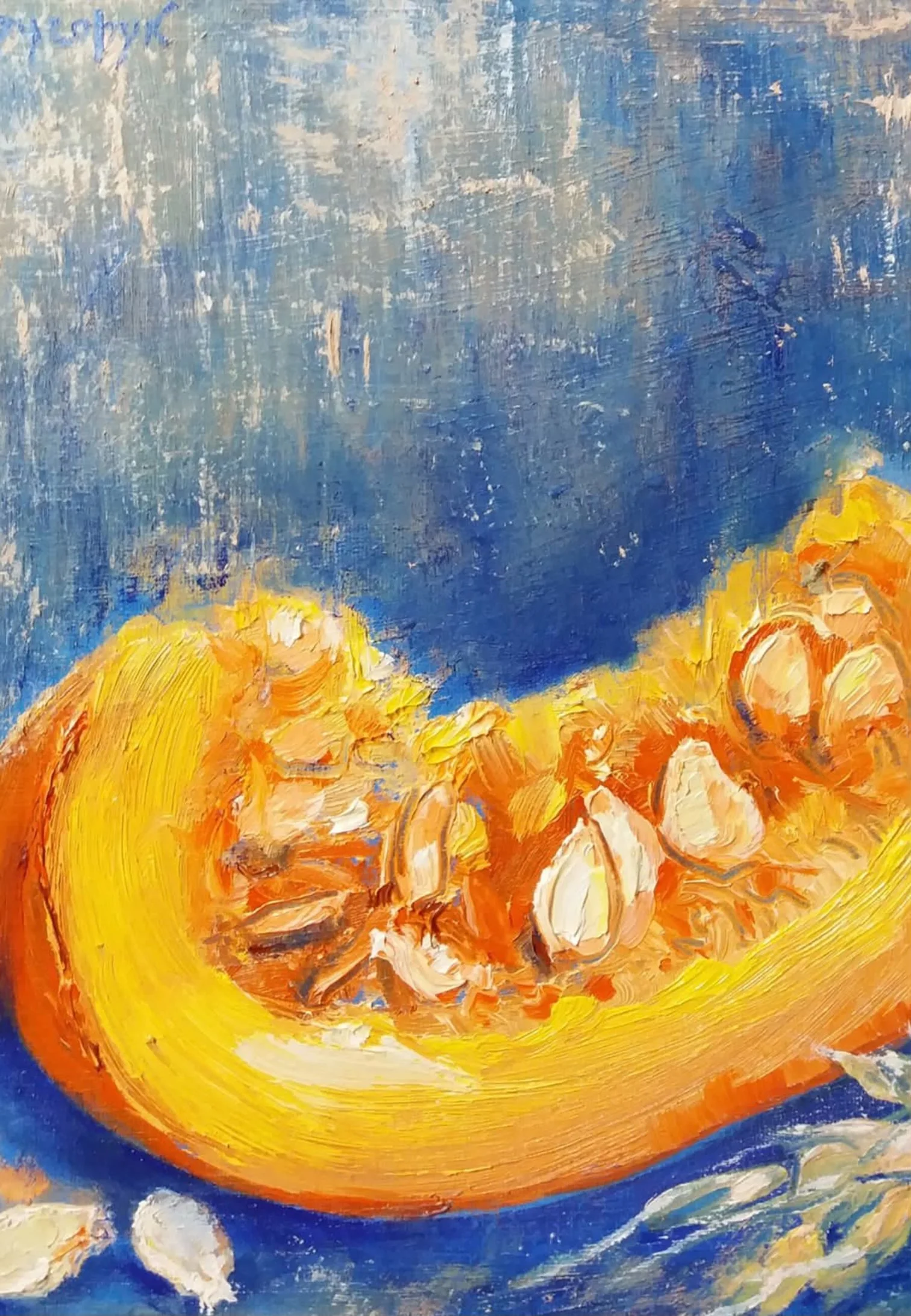
With its vibrant color and variety of shapes, pumpkins are often featured in paintings by famous and lesser-known artists. For example, I really like the painting “Pumpkin” by Ukrainian artist Galina Grigoruk. Galina very skillfully conveyed the beauty and richness of pumpkins, skillfully using contrasting colors and shades.
On Nov. 1, I visited Flumerfelt Park for the pumpkins in the park festival. In honor of the holiday, it was decorated with pumpkins carved with various designs. Each pumpkin was a separate work of art. The children and their parents were delighted and appreciated the hard work and beauty. The bright orange pumpkins on the white snow reminded me that winter is coming, and we will definitely welcome it with joy. I wish this for everyone.