

All About the Holuptsi
Canada is truly an amazing country. Everyone can find something that they love here. For me it is the lilac bushes blooming in spring, and my favourite berry, the Saskatoon, ripe and ready for pies. As one who loves to cook, locally made pierogi and cabbage rolls are also way up there on my list .
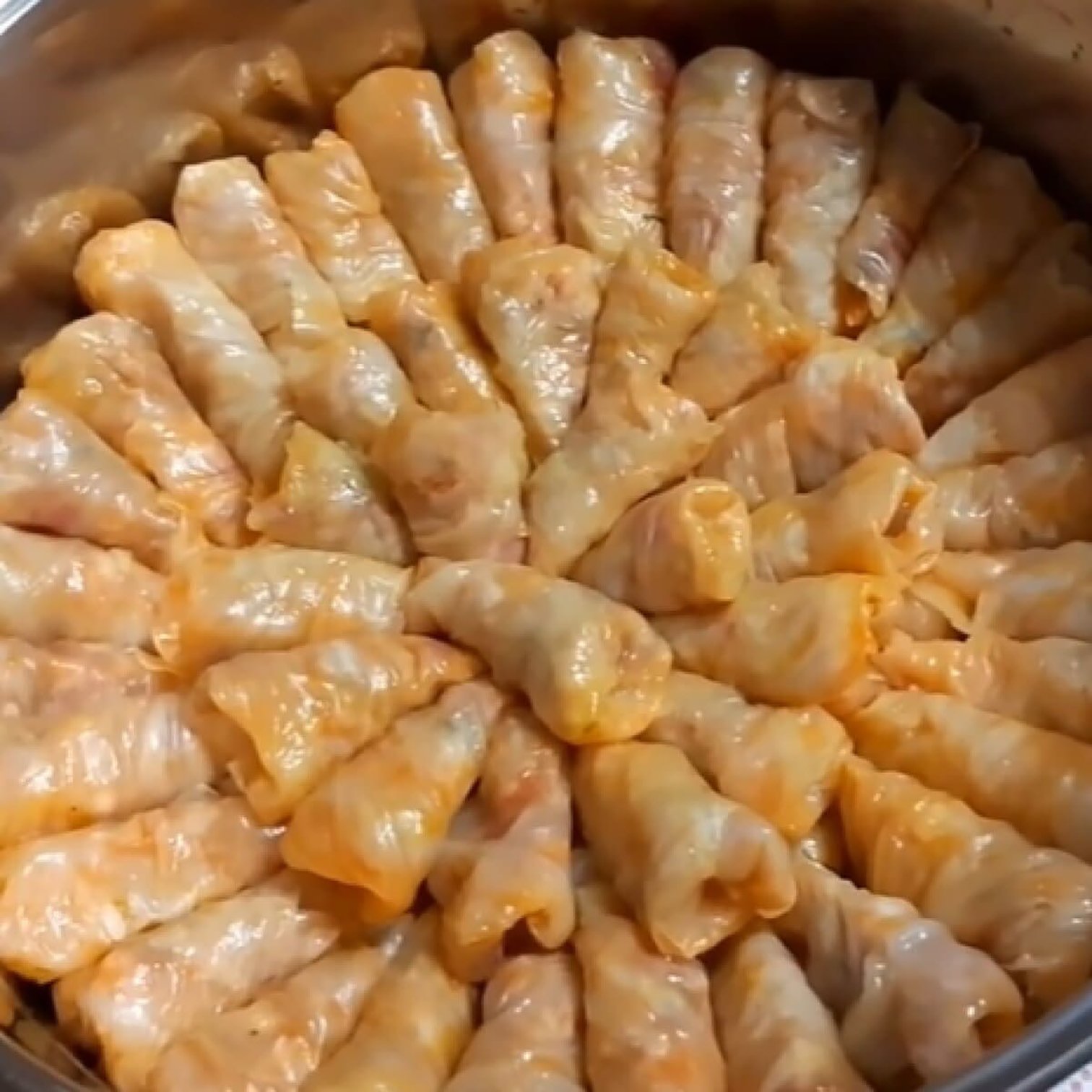
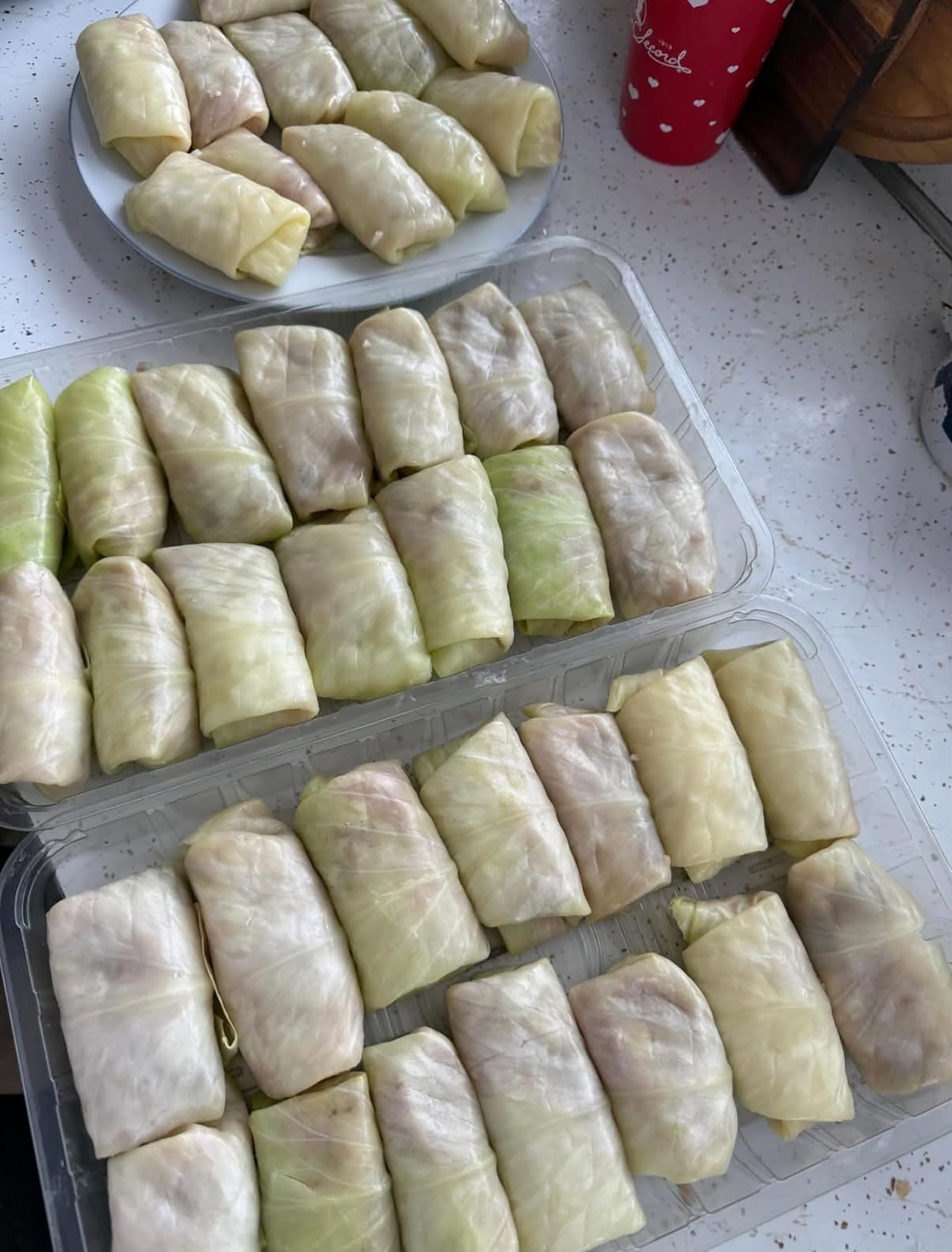
I would like to share a bit of what I know about those lovely rolls of stuffed cabbage. In my country, Ukraine, they’re called holuptsi (hah-luhb-tsee). This traditional and beloved dish of Ukrainian cuisine is included in the National List of Intangible Cultural Heritage which is an international list designed to protect living traditions, performing arts, and oral customs.
In many regions, holuptsi are prepared for Christmas, weddings, and other big family holidays. If a large quantity of holuptsi needs to be prepared, women gather in the kitchen and, while chatting with friends, painstakingly wrap the pre-prepared stuffing in cabbage leaves.
There are many holuptsi recipes, depending on the region and personal preferences. The filling can be wrapped in fresh or pickled cabbage leaves, grape leaves, or even beet leaves. The filling can vary depending on both the region and personal preference. In my family, we use meat with rice. Fatty meat is preferred, so pork is often used in holuptsi, which makes the dish juicy. My mother and grandmother made holuptsi with this exact filling, wrapping them in cabbage leaves. When I decided to spend my vacation in the mountains of western Ukraine, I first tried another interesting holuptsi recipe. These were very small cabbage rolls, about the size of our smallest finger. Instead of rice, they used corn grits and wild mushrooms for the filling, which gave the cabbage rolls a rich aroma and exquisite flavor.
In some regions, potatoes, millet, and feta cheese are added to the filling. I remember how my grandmother, who was religious, did not eat ground meat during Lent, replacing it with rice and vegetables. She used to cook meals in a traditional Ukrainian cast iron pot called a “chavun.” The food was cooked slowly in a wood-fired oven, which gave it a unique flavor. My grandmother’s holuptsi still remains in my memory as the most delicious I’ve ever eaten.
Cabbage rolls are traditionally simmered in a sauce made from vegetable broth or water, with sour cream and tomato paste. For the filling, as well as for the topping, cooks use several variations. An example would be replacing the sour cream with heavy cream and the tomato paste with ketchup. This sauce is poured over the cooked holuptsi, often topped with fried onions and grated carrots, a bay leaf, and black peppercorns.
The quality of the holuptsi depends on the taste of the sauce. Ideally, they should have a slightly sweet taste with a pleasant tartness. This dish can be cooked in a saucepan on the stove or in a deep dish in the oven. They are usually simmered at low heat for a fairly long time, on average about an hour, sometimes an hour and a half if the cabbage is very firm.
Cabbage is very popular in my country; it is used in many Ukrainian dishes. We make cabbage pierogi, sauerkraut soup, pirozhki, stewed cabbage with meat and millet, and, of course, cabbage rolls.
Cabbage could rightfully be called the “queen of the garden.” Ukrainian folklore abounds with references to this vegetable:
“Borscht without cabbage is like a house without a housewife.”
“Where there’s cabbage, there’s plenty.”
“Sow cabbage in time, and you’ll have plenty.”
There was a joke in my childhood I remember. When a child asked adults how they were born, the adults would smile and answer, “We found you in the cabbage.” This answer satisfied the child’s curiosity. I wonder if cabbage patch dolls were inspired by this?
Cabbage is also often used in folk medicine to treat joint pain, coughs, and wounds with simple compresses. Here are a few recipes using cabbage:
Cough and bronchitis. Chest compress: Dip a fresh cabbage leaf in boiling water for 1-2 minutes, then coat with honey. Apply to the chest or back (avoiding the heart area), cover with compress paper, and tie with a warm scarf. Repeat before bed until the cough subsides.
Joint pain and bruises. Honey compress again: Take a clean, fresh cabbage leaf, dip it in hot water for a minute, and then coat one side with a thin layer of natural honey. Apply the honey-side leaf to the sore knee or joint, cover with plastic wrap and a warm cloth. Leave the compress on for 2 to 8 hours (or overnight).
External application of cabbage leaves has the following effects:
Promotes the release of stagnant fluid and has a decongestant effect. Cabbage is a disinfectant. It removes inflammatory products through the skin, as it promotes the release of fluid and draws it out. Cooling, soothing, pain-relieving, and softens hard tissues. It seems like such a simple vegetable, but it offers so many health benefits.
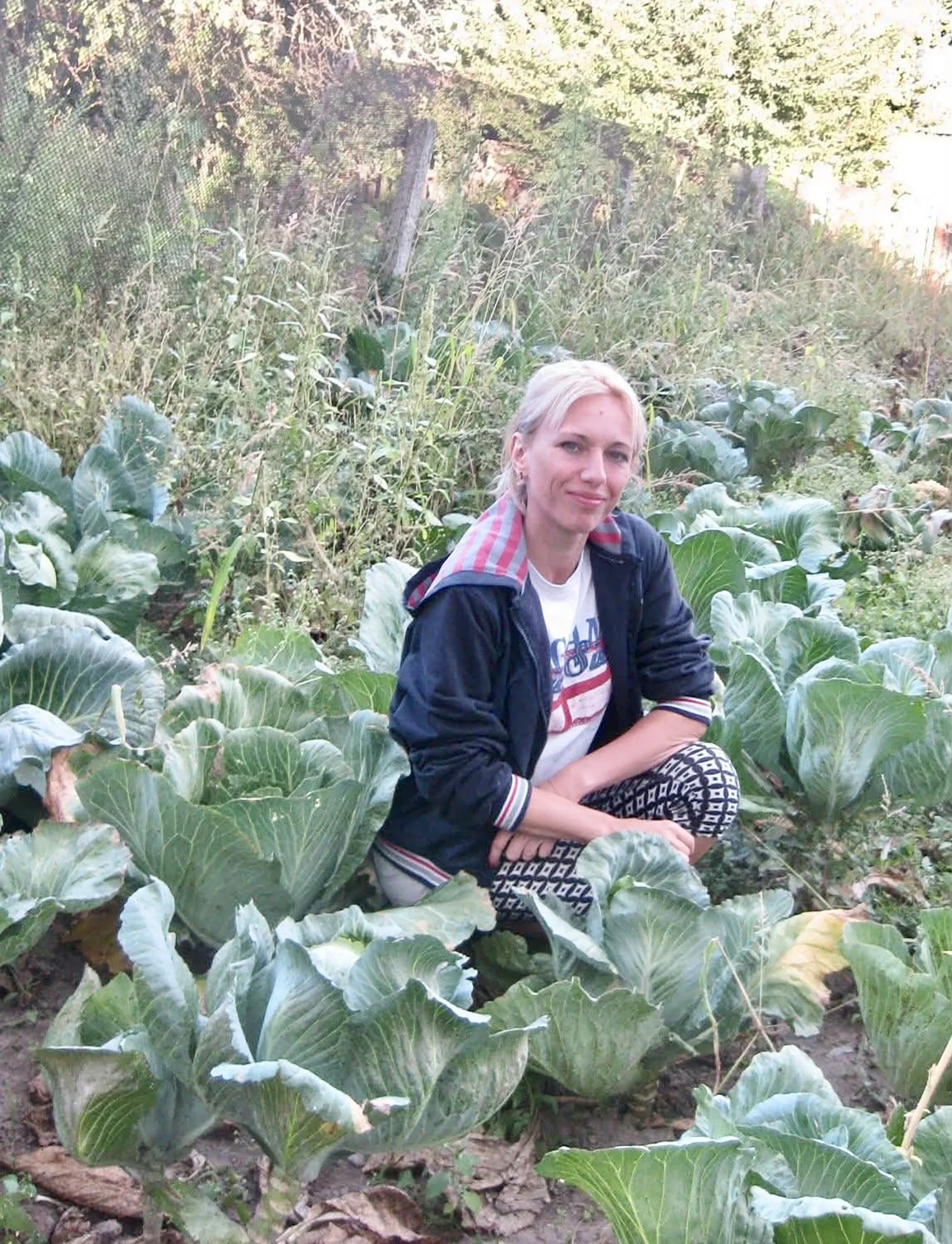
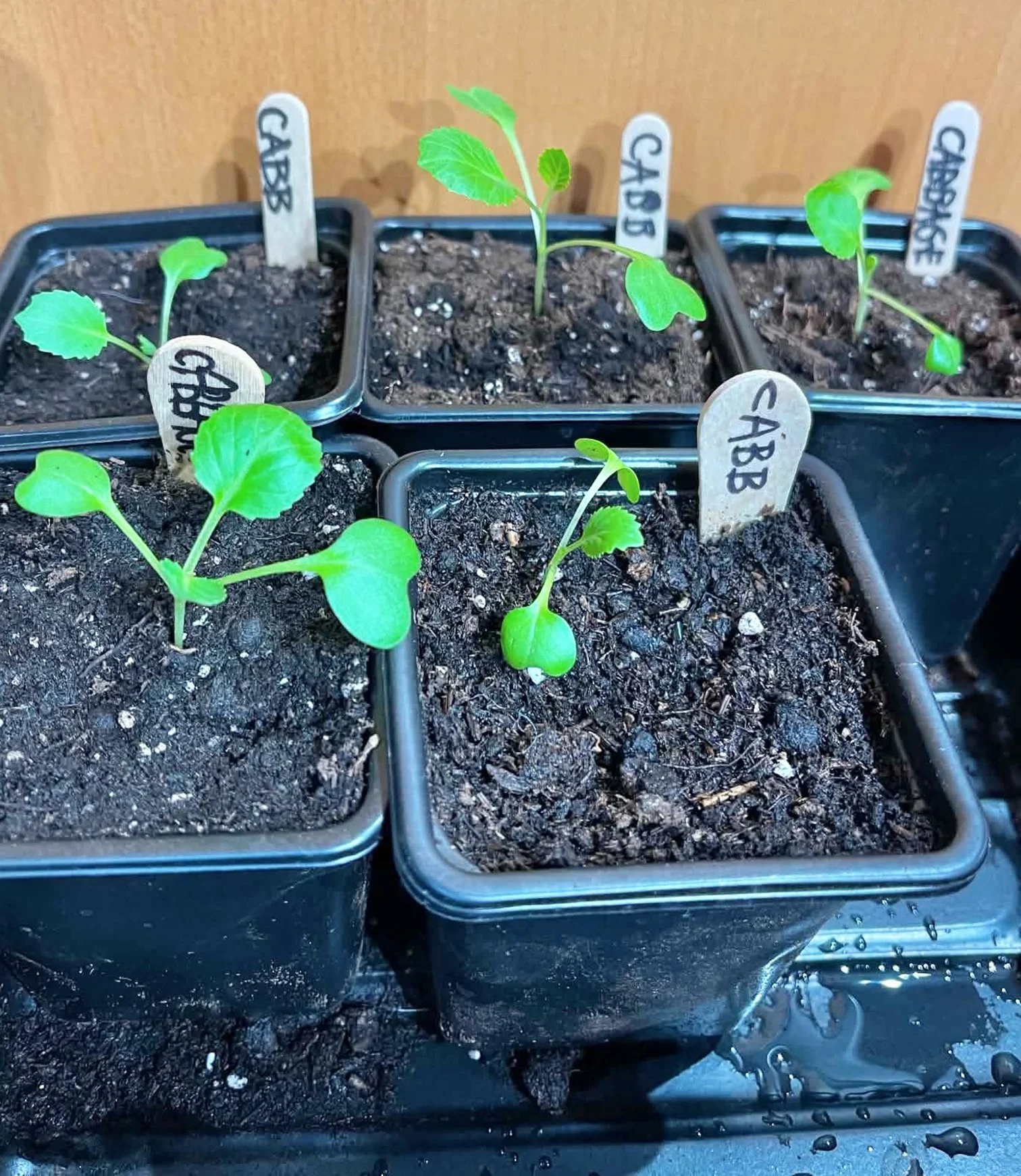
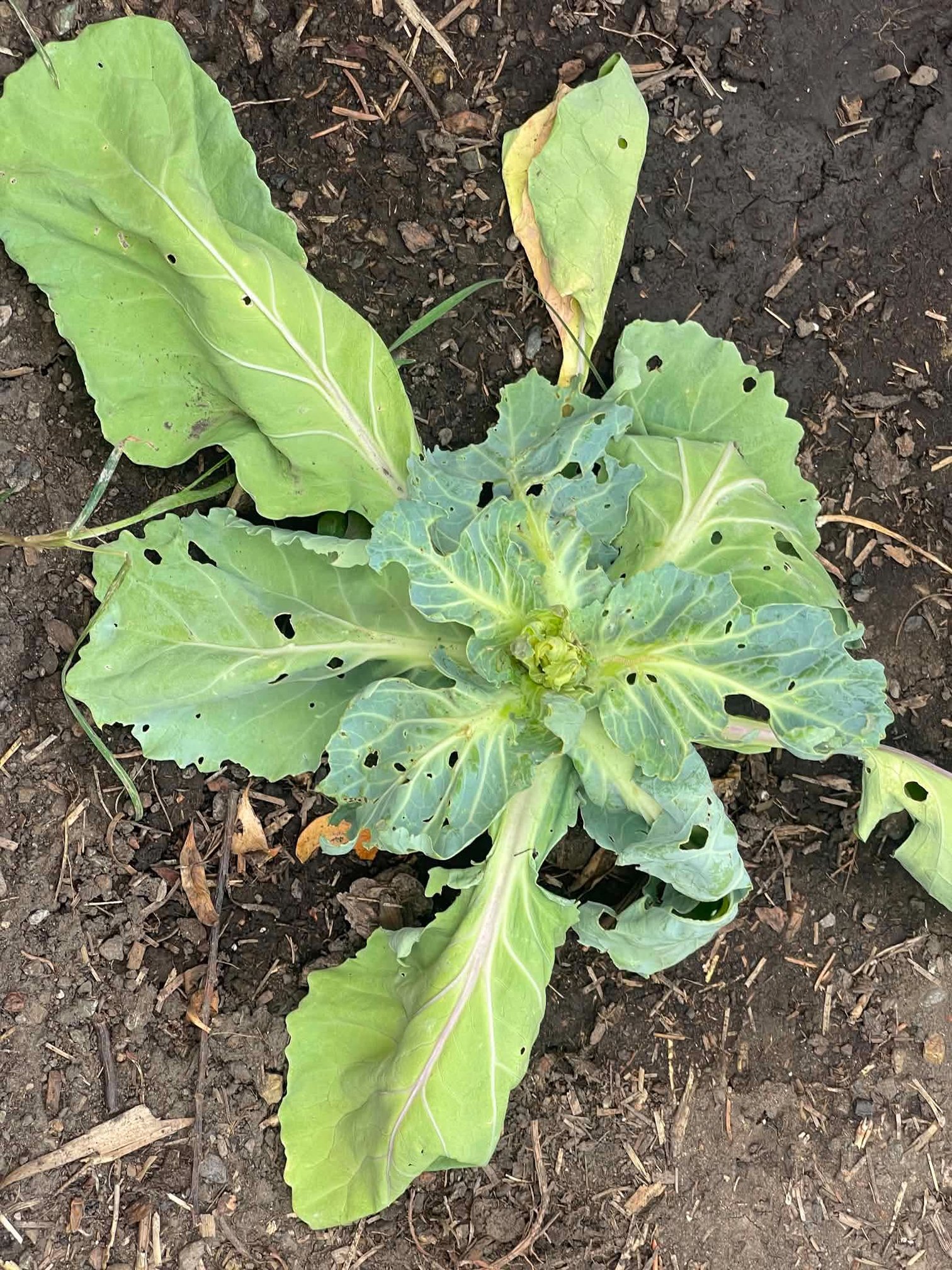
My mother has always grown cabbage in her garden, and on occasion it grows very large. This means she’ll definitely have cabbage on her table. But my friend Terra wasn’t so lucky this year. Her cabbage was destroyed by cabbage moth caterpillars. literally overnight. Terra wrote in her Face book post: “Gardening is such an emotional roller coaster. I started growing cabbage from seeds in February. The seedlings waited months after snowfall until they were finally planted and allowed to grow. They grew so huge, so happy, so lush, and then...” But Terra is undeterred and promises to overcome this problem next year.
For many years, the holuptsi gastronomic festival has been held in the village of Velykyy Bychkiv (Zakarpattia Oblast) in Western Ukraine. This oblast (region) borders on four countries, Poland, Slovakia, Hungary and Romania. Dozens of varieties of the dish were sampled there. Most recently, a Ukrainian record for holuptsi preparation was set in the city of Dnipro in Eastern Ukraine which is still under Ukrainian control. Participants prepared 3,248 holuptsi in 100 minutes, using an ancient recipe of wrapping the filling in beet leaves. After the event, all the prepared holuptsi were donated to Ukrainian defenders.
In Ukraine, cabbage rolls are more than just cabbage and filling. They represent the warmth of the cook’s hardworking hands, the memory of our ancestors who passed down recipes from generation to generation, the loving atmosphere of family celebrations, and, of course, the immense pleasure of the unique taste of cabbage rolls, which we affectionately call holuptsi.